
![LILLE.ME.SOFTLY [2025]](https://freight.cargo.site/t/original/i/2628fbfec261698e5043e363f9f7c4749f5d03a8380d440f11e27bb10f474423/lille_cover_1.jpg)

![ASHES OF DREAMS [2025]](https://freight.cargo.site/t/original/i/0a48930fe654149a038c628bbb929aec8cc22c487588c23007f9e46d1f74e815/asSPREAD-Magmazimne-Mockup-V1.2_Zine_15.jpg)





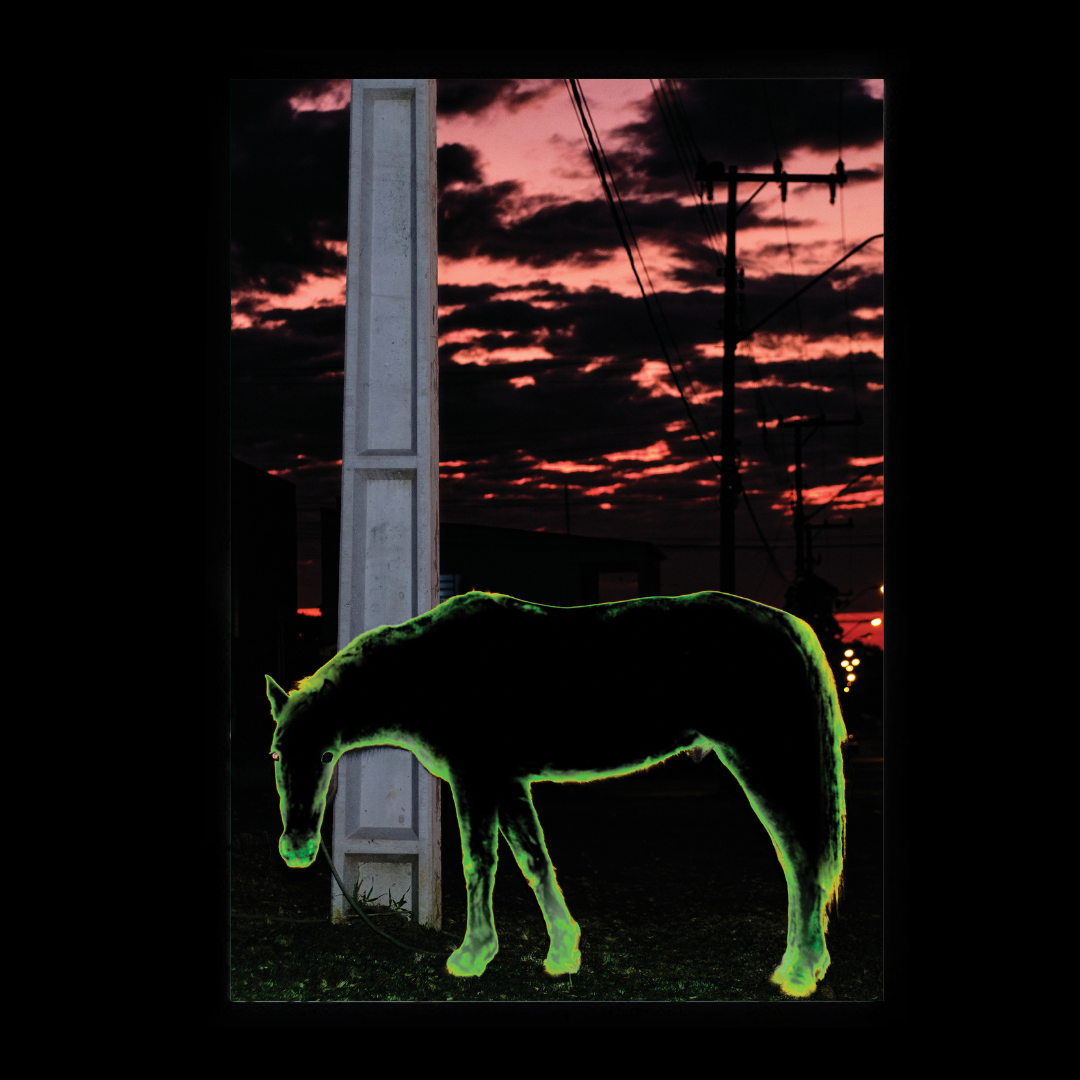

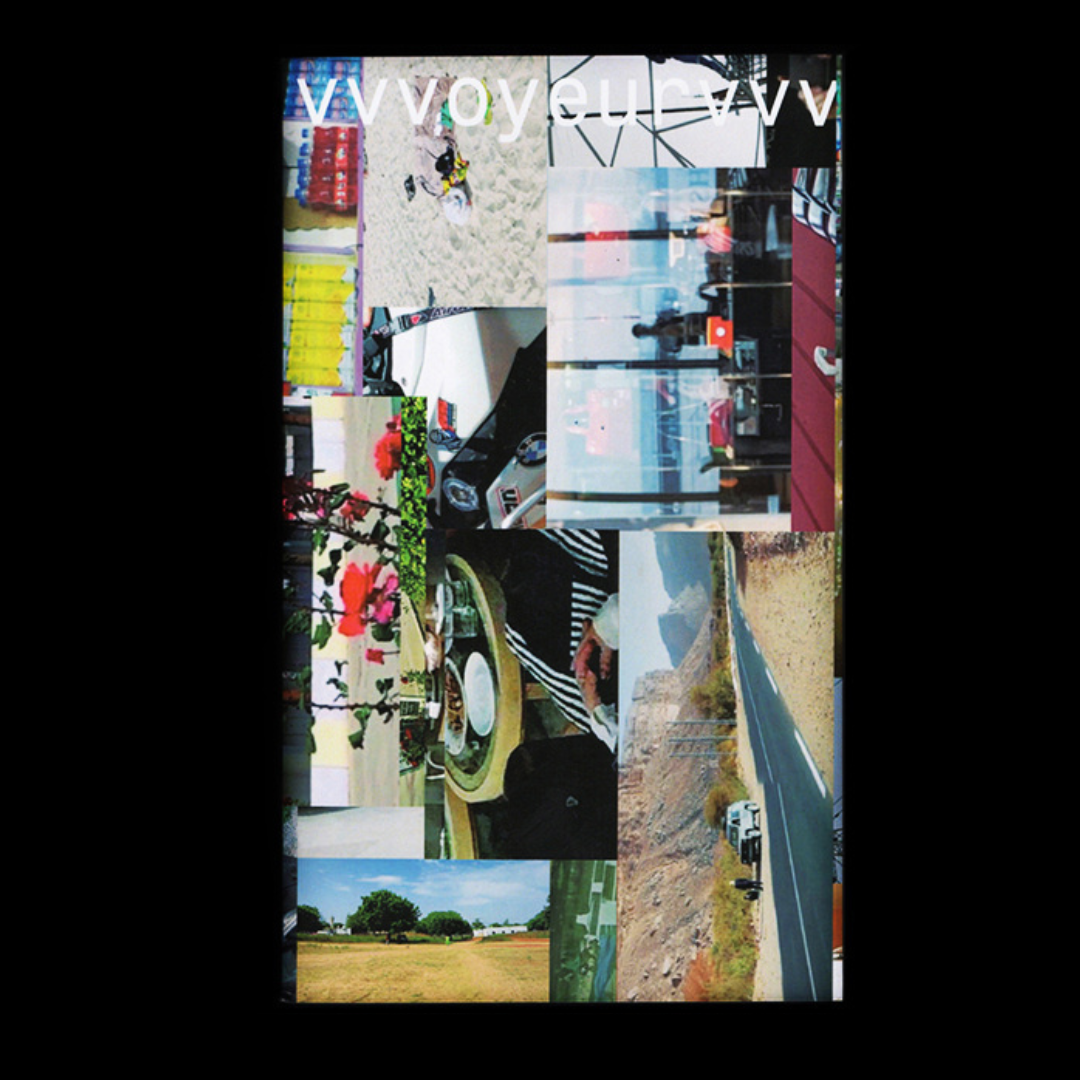

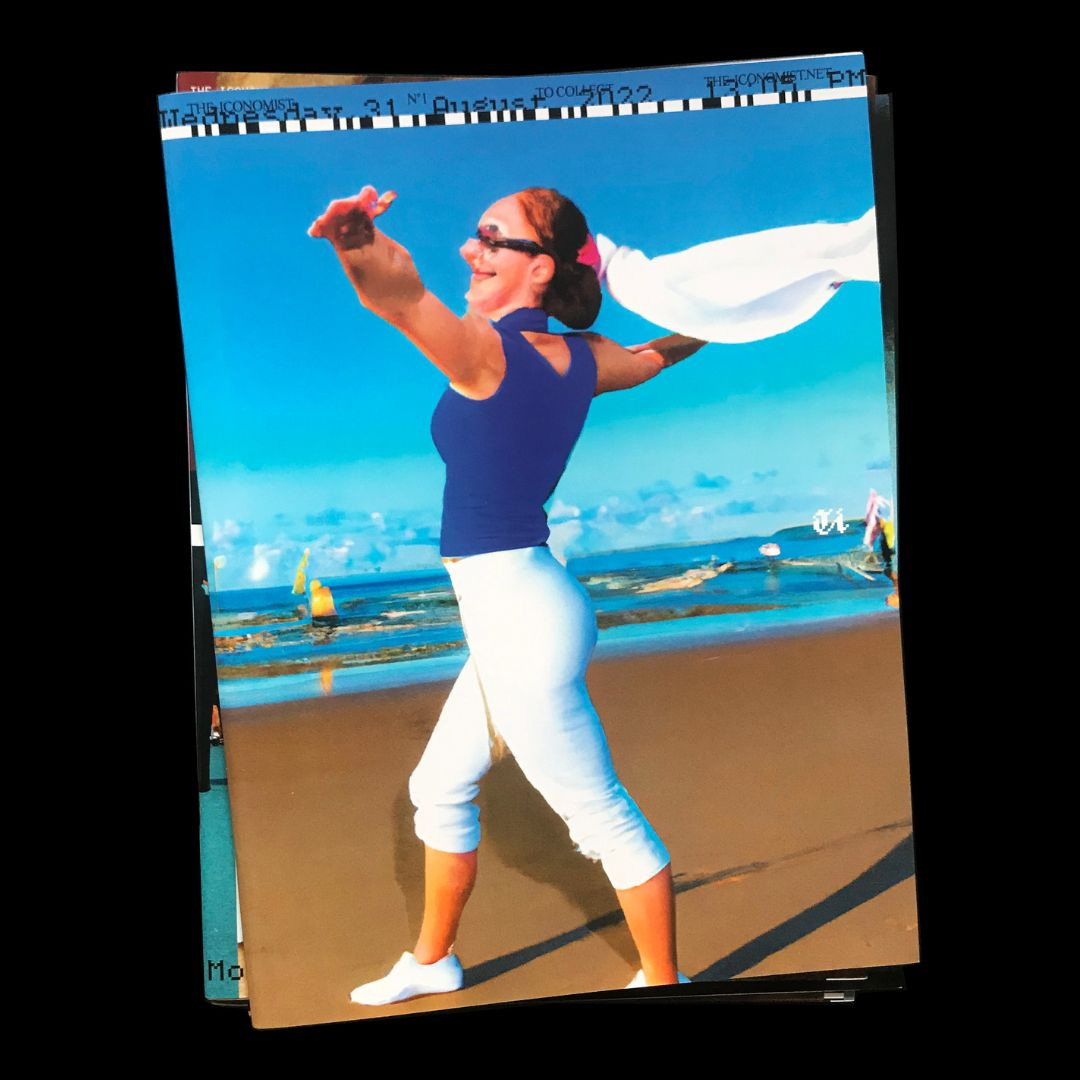
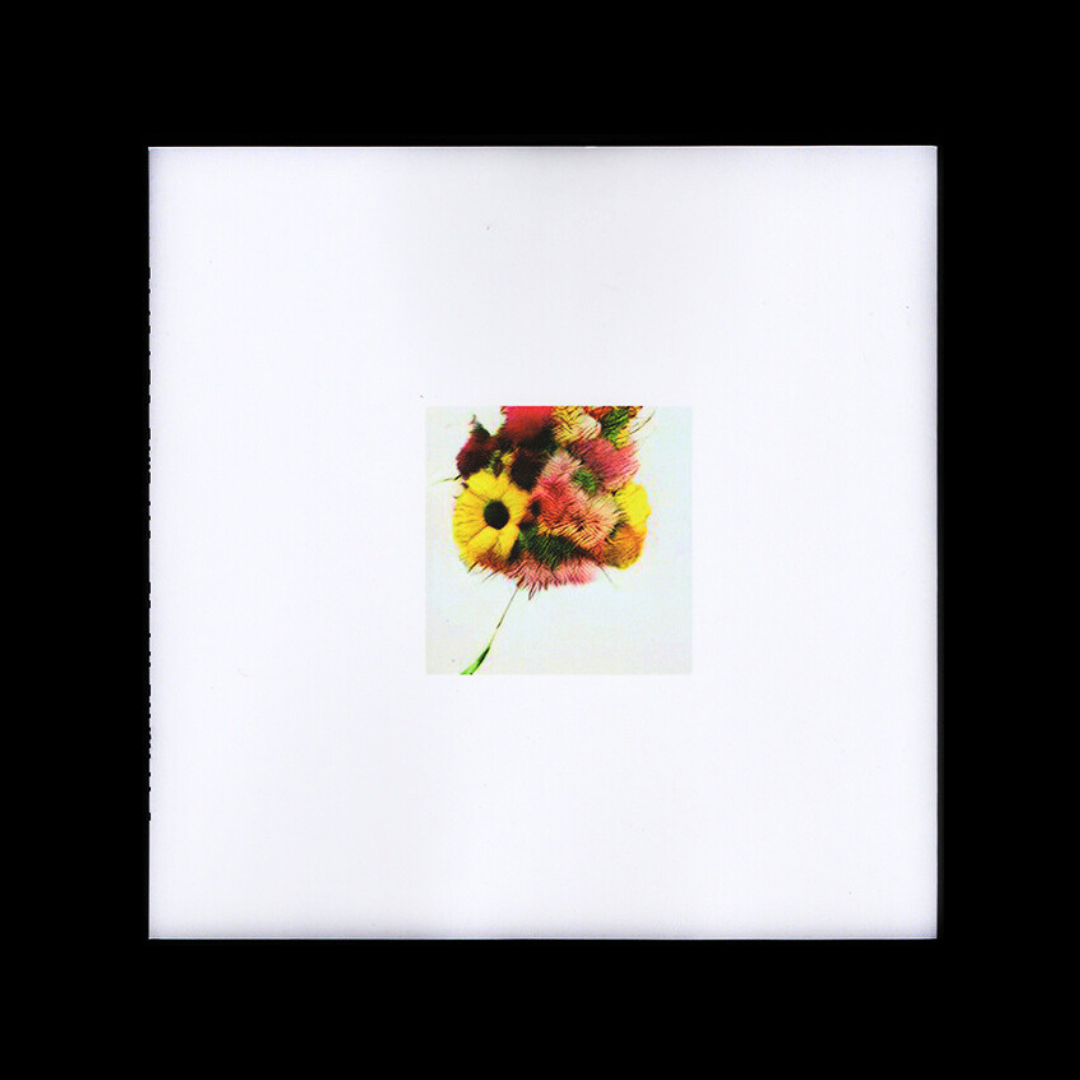


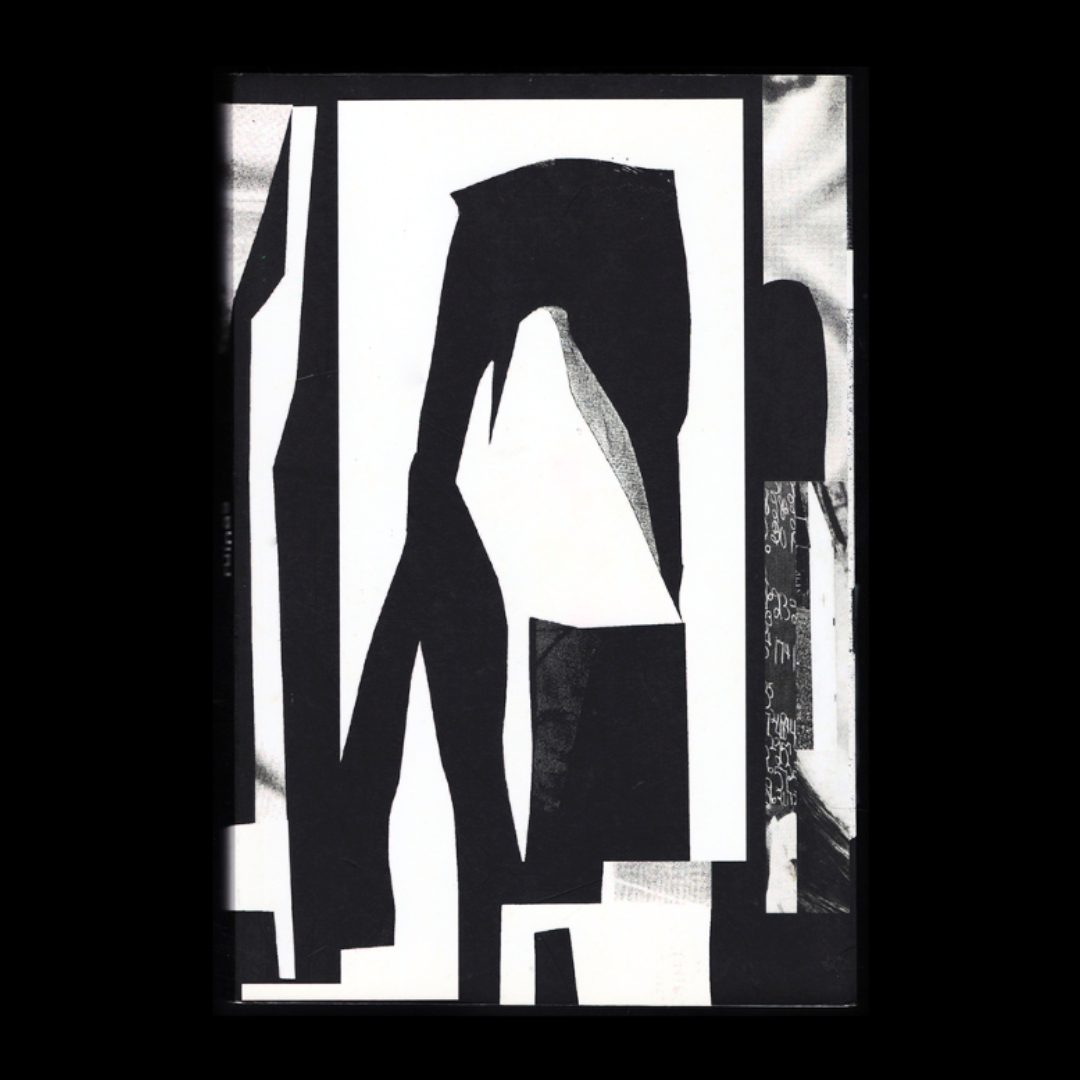
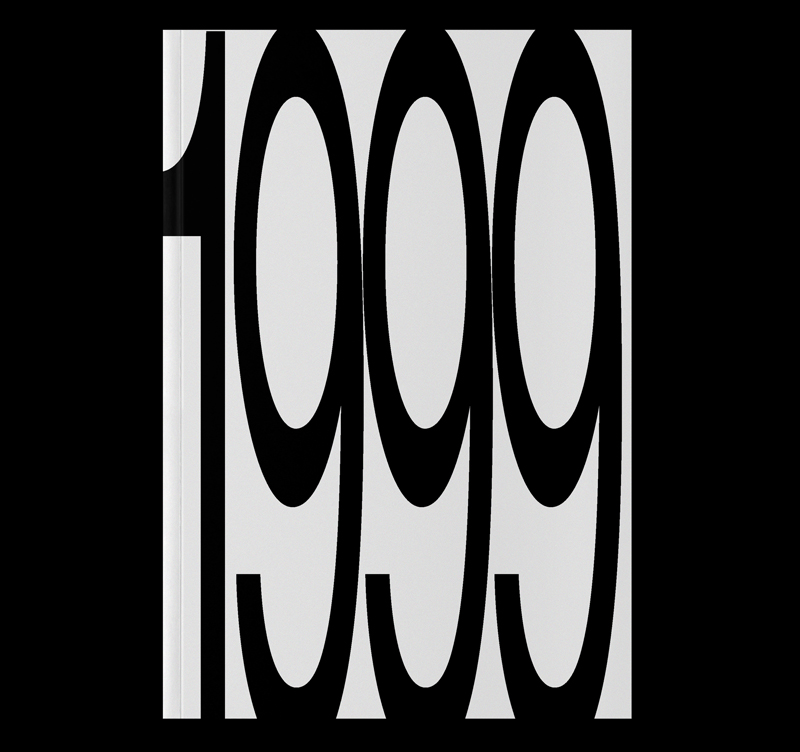
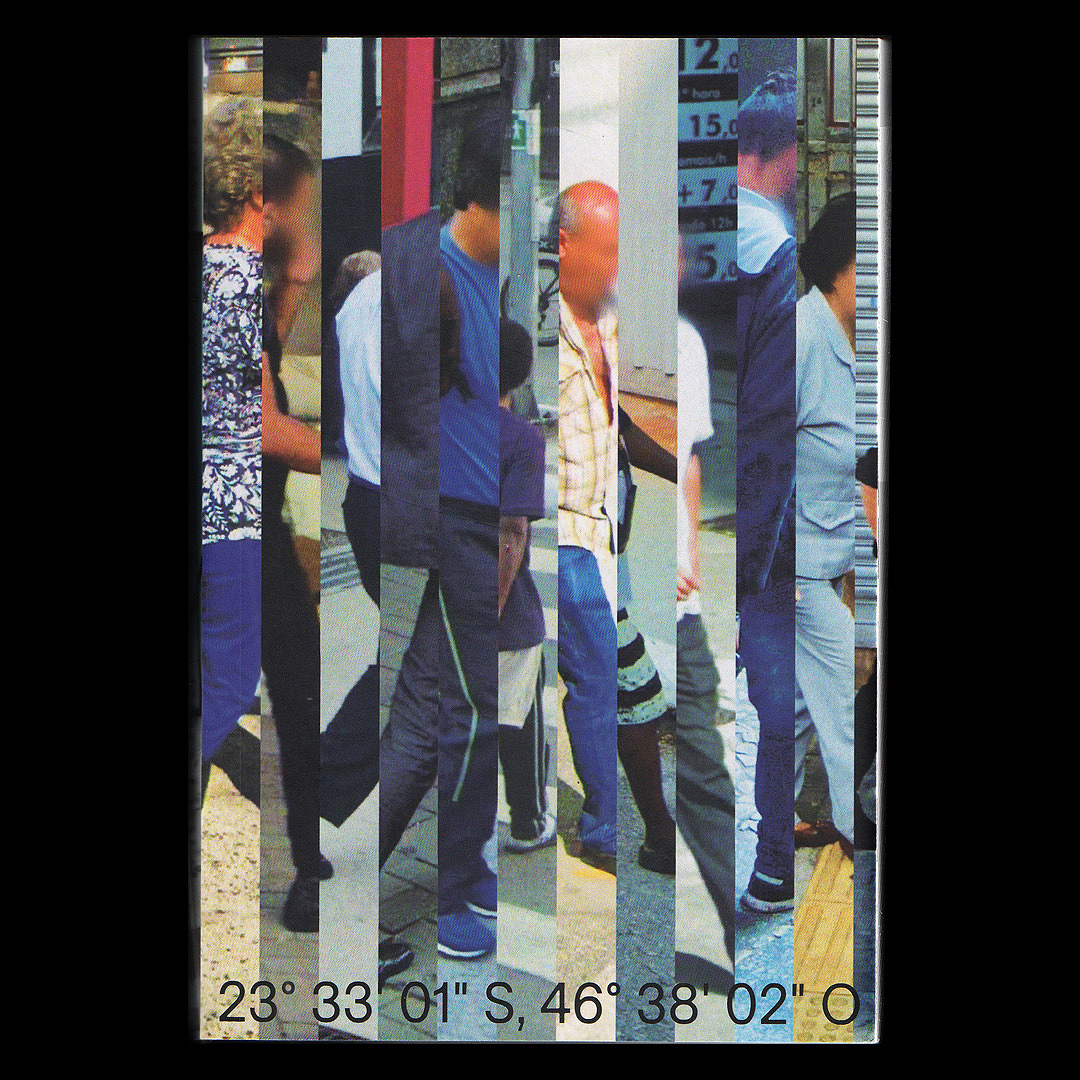
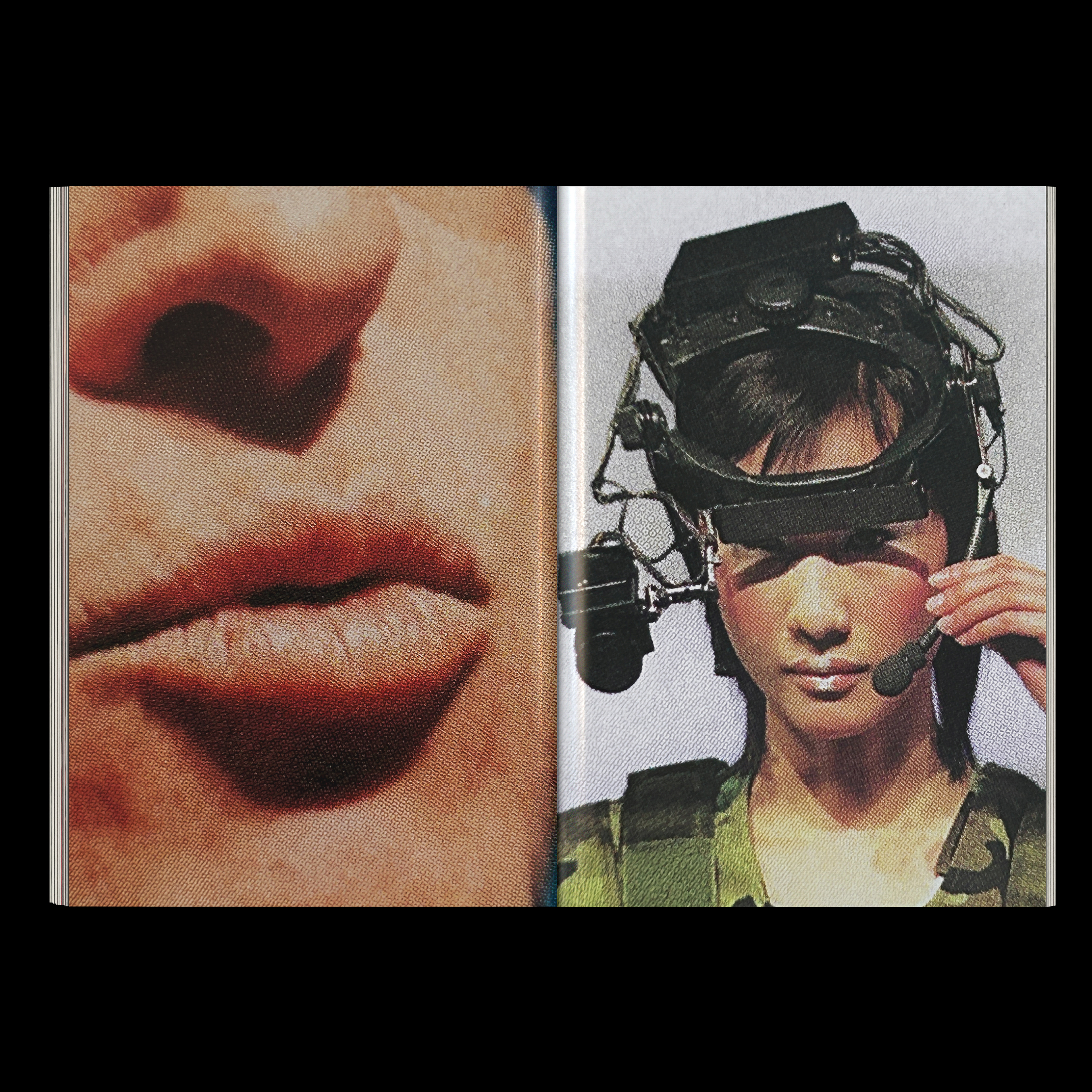
PT RE1999 é um zine que apresenta uma série de refotografias tiradas de uma revista semanal brasileira publicada em novembro de 1999, no limiar do novo milênio. O título funciona como um marcador de retorno: re como revisitar, rever, recordar, recapturar. Cada imagem propõe uma tentativa de voltar no tempo, de reencenar um instante e observar como o ato (re)fotográfico altera aquilo que vemos. De mão em mão, o exemplar desta revista atravessou o tempo até chegar ao presente.
EN RE1999 is a zine that presents a series of rephotographs taken from a Brazilian weekly magazine published in November 1999, on the threshold of the new millennium. The title functions as a marker of return: re as in revisiting, reviewing, remembering, recapturing. Each image proposes an attempt to go back in time, to reenact a moment and observe how the (re)photographic act alters what we see. Passed from hand to hand, this copy has traveled through time to reach the present.
Year: 2025 A project by Romeu Silveira
Graphic design by frombrazilwithlovestudio, NO ISBN, 14x21 cm, 86pp., softcover
Delivery: 45 days (Brazil), 15-20 days (International)
Secure check-out via Magcloud. Shipping worldwide.
Graphic design by frombrazilwithlovestudio, NO ISBN, 14x21 cm, 86pp., softcover
Delivery: 45 days (Brazil), 15-20 days (International)
Secure check-out via Magcloud. Shipping worldwide.
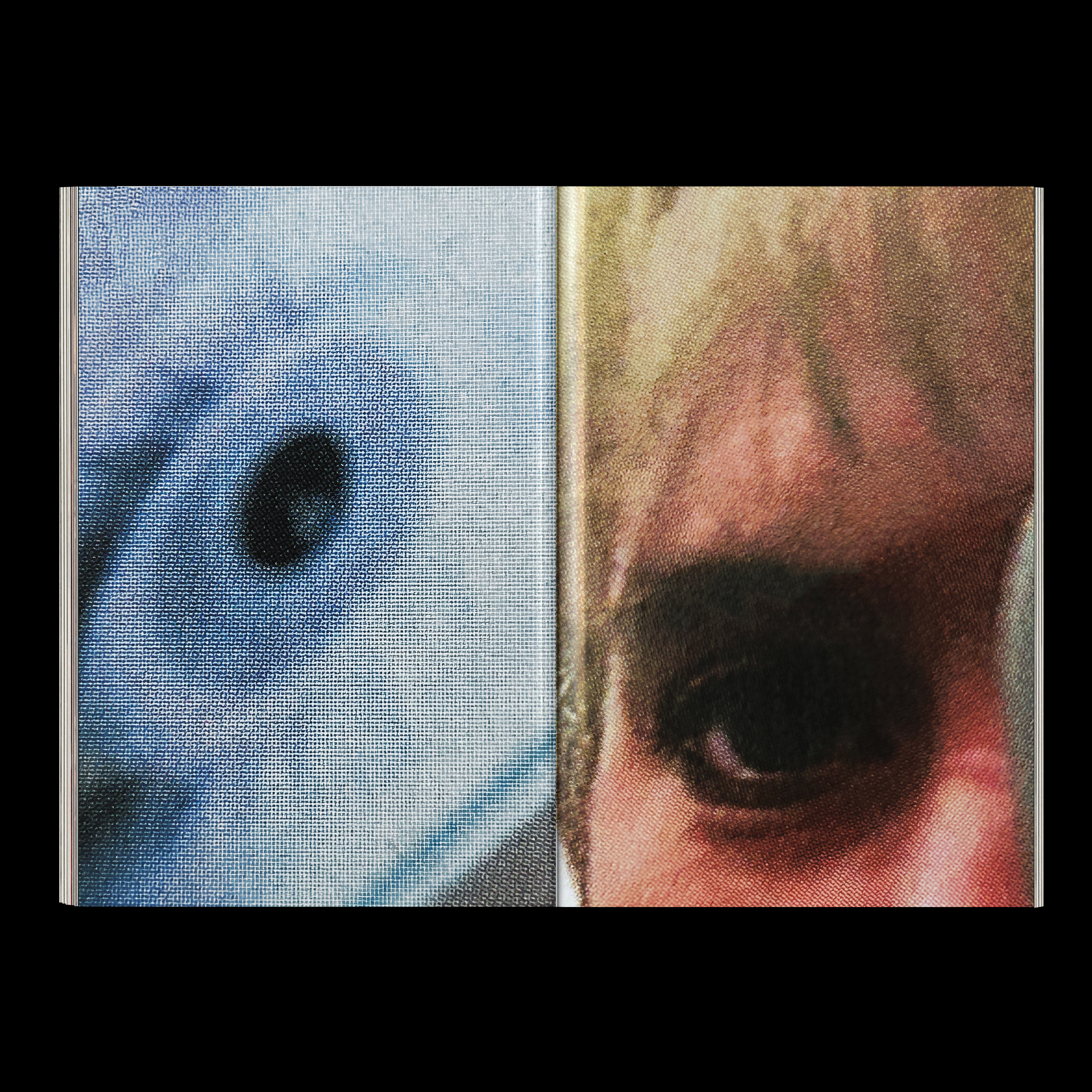
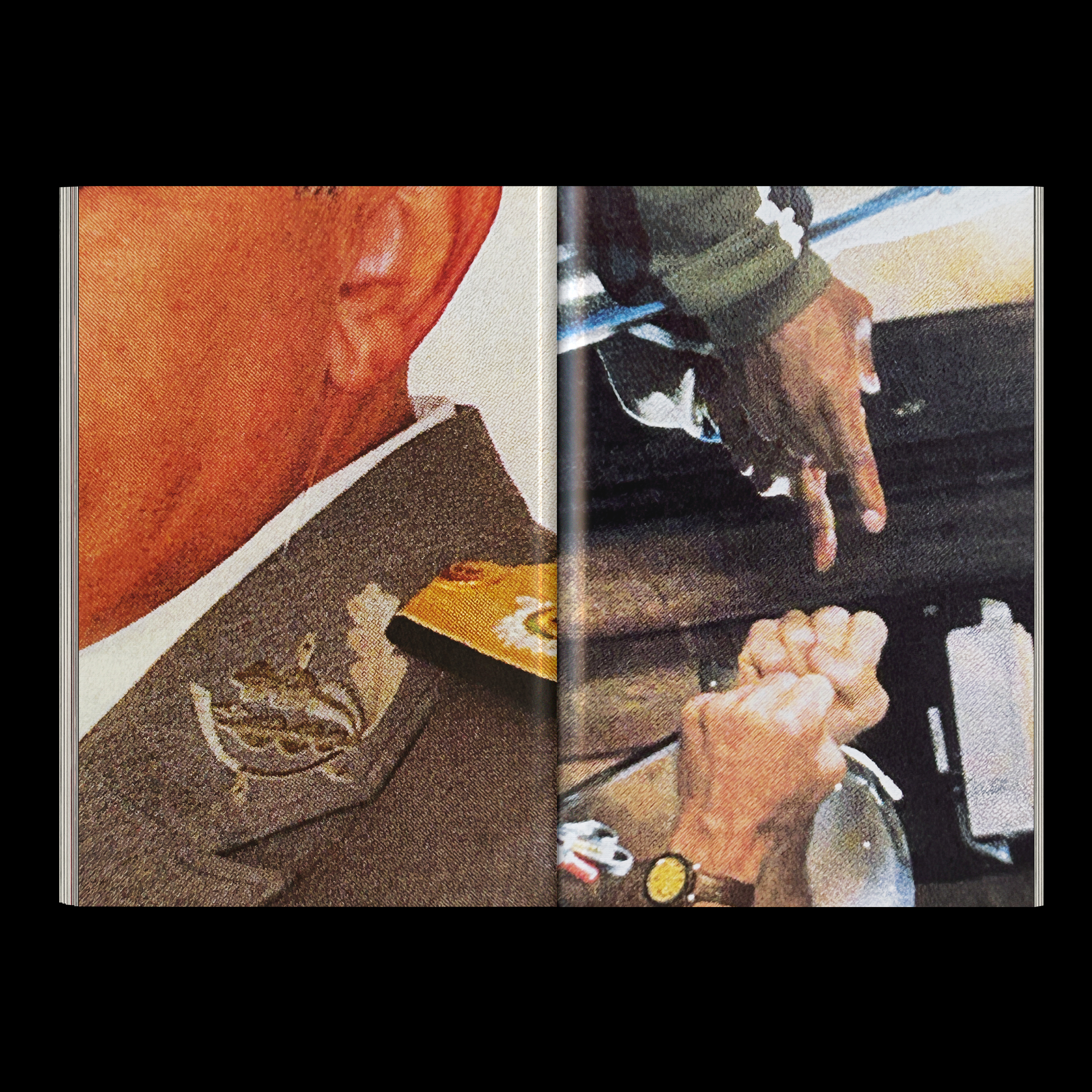
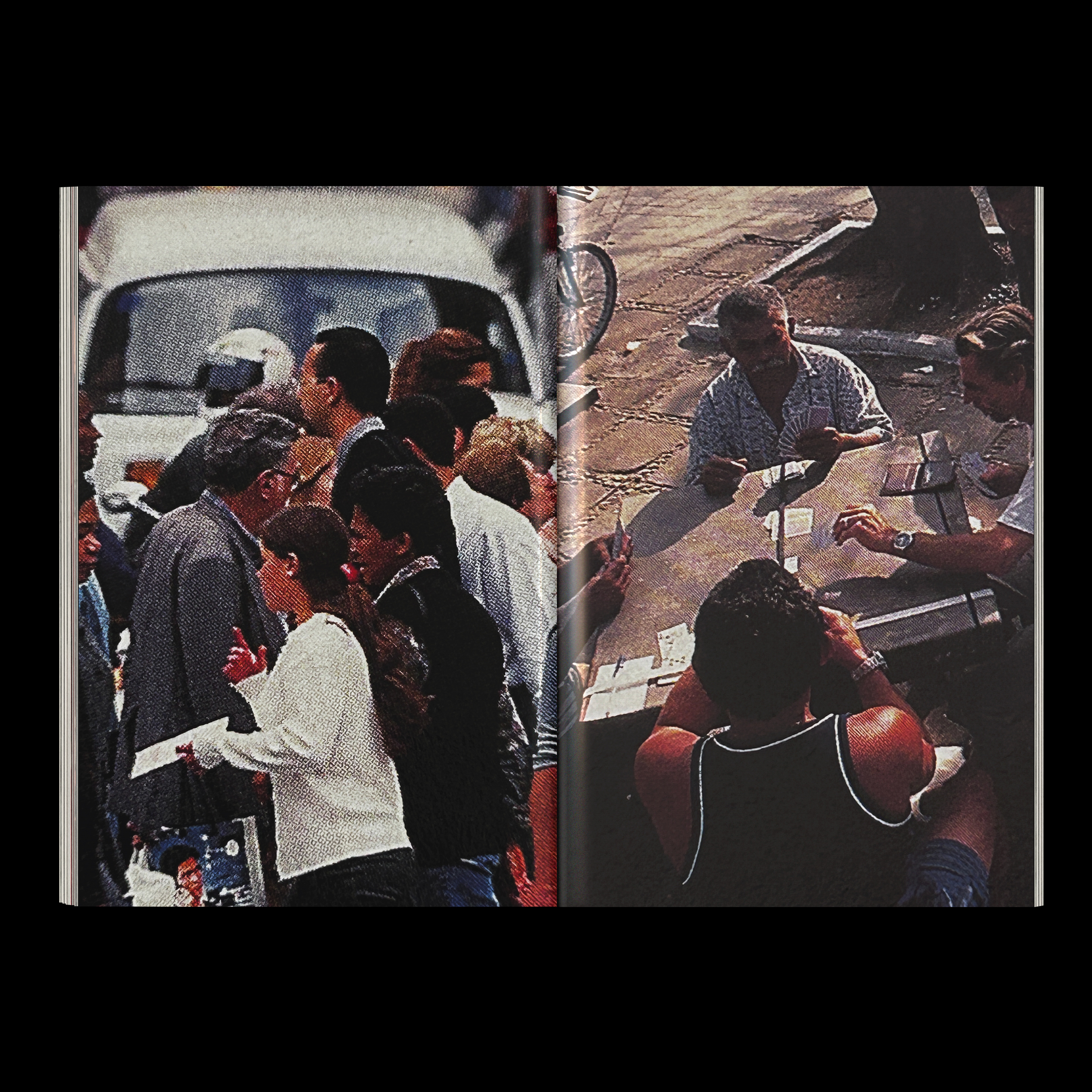
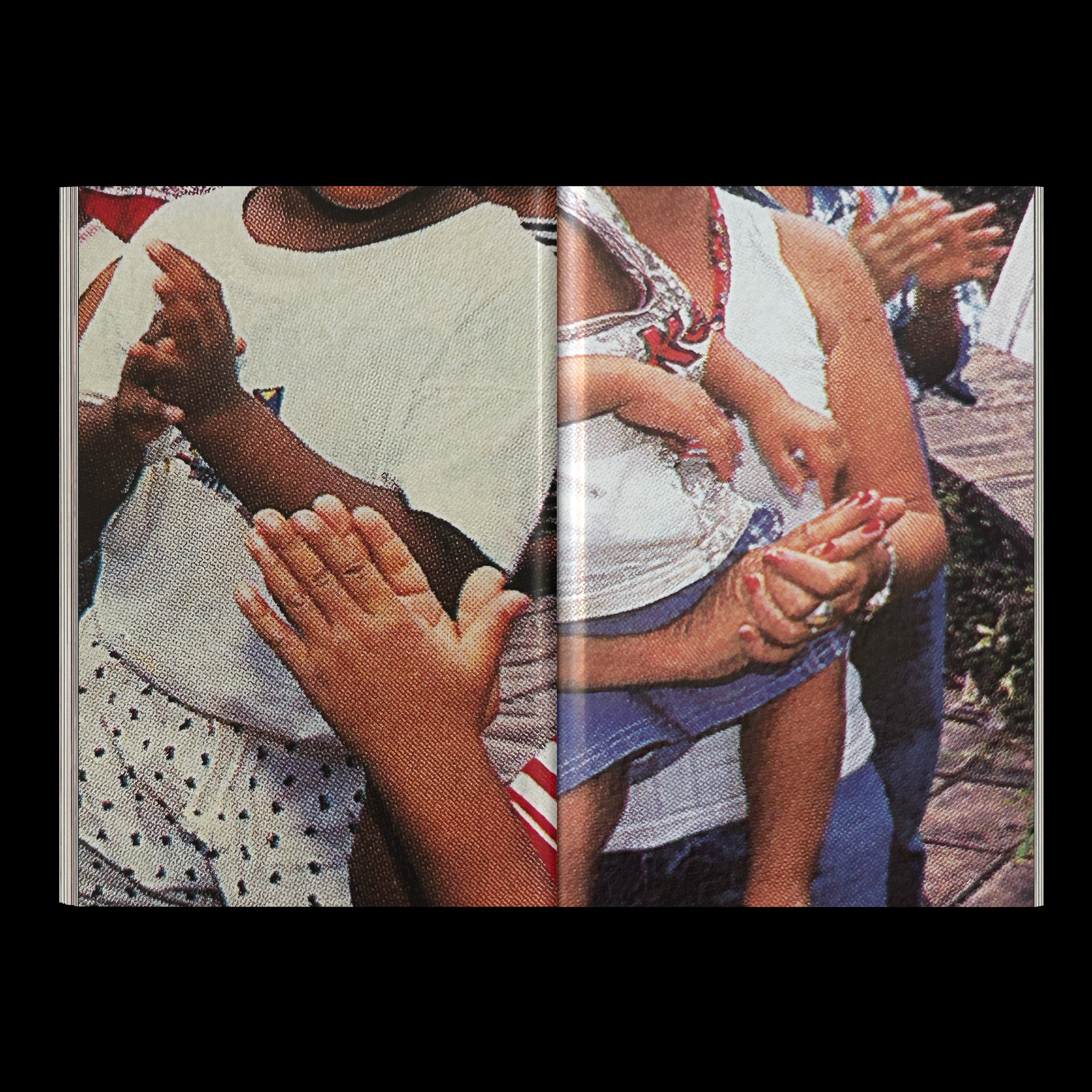
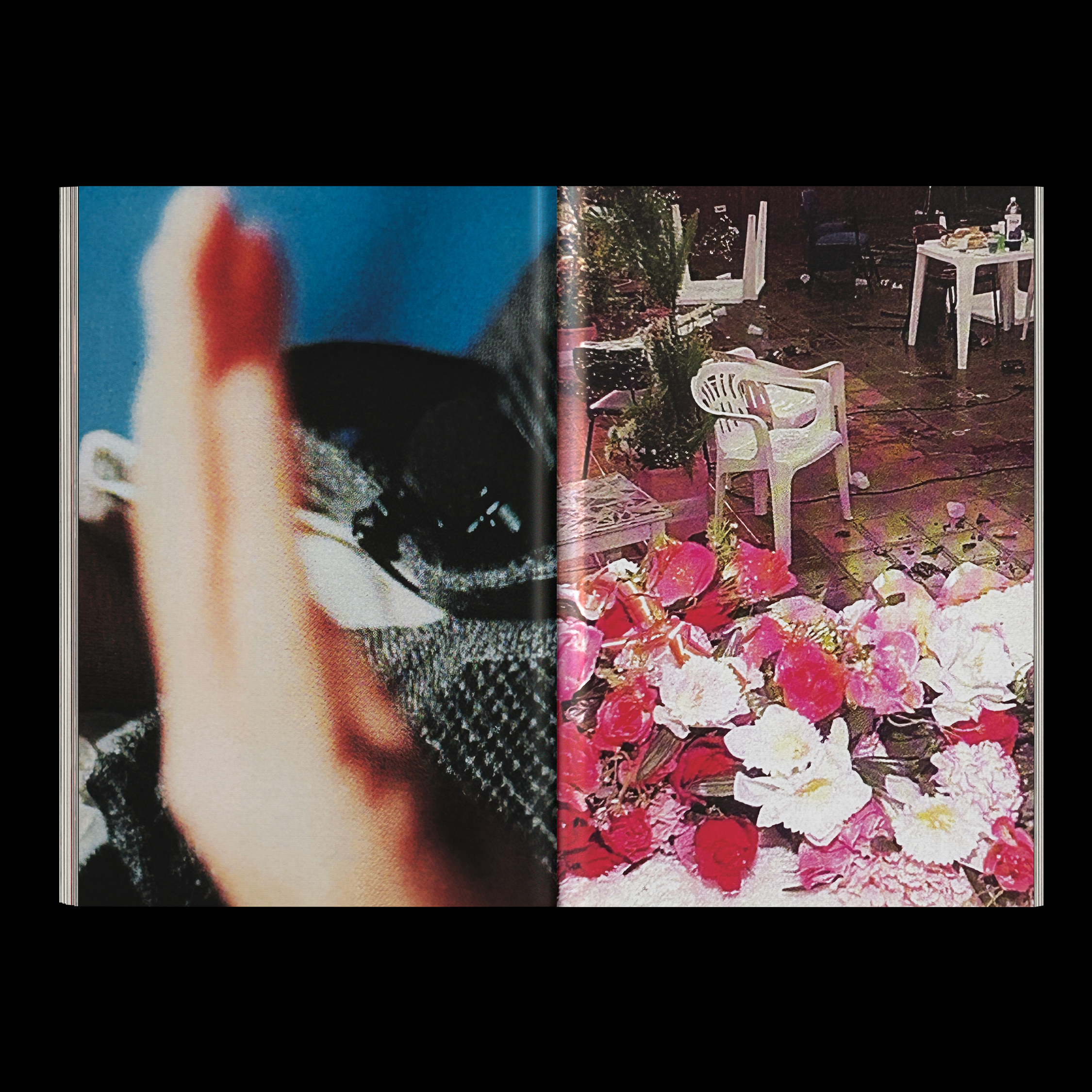
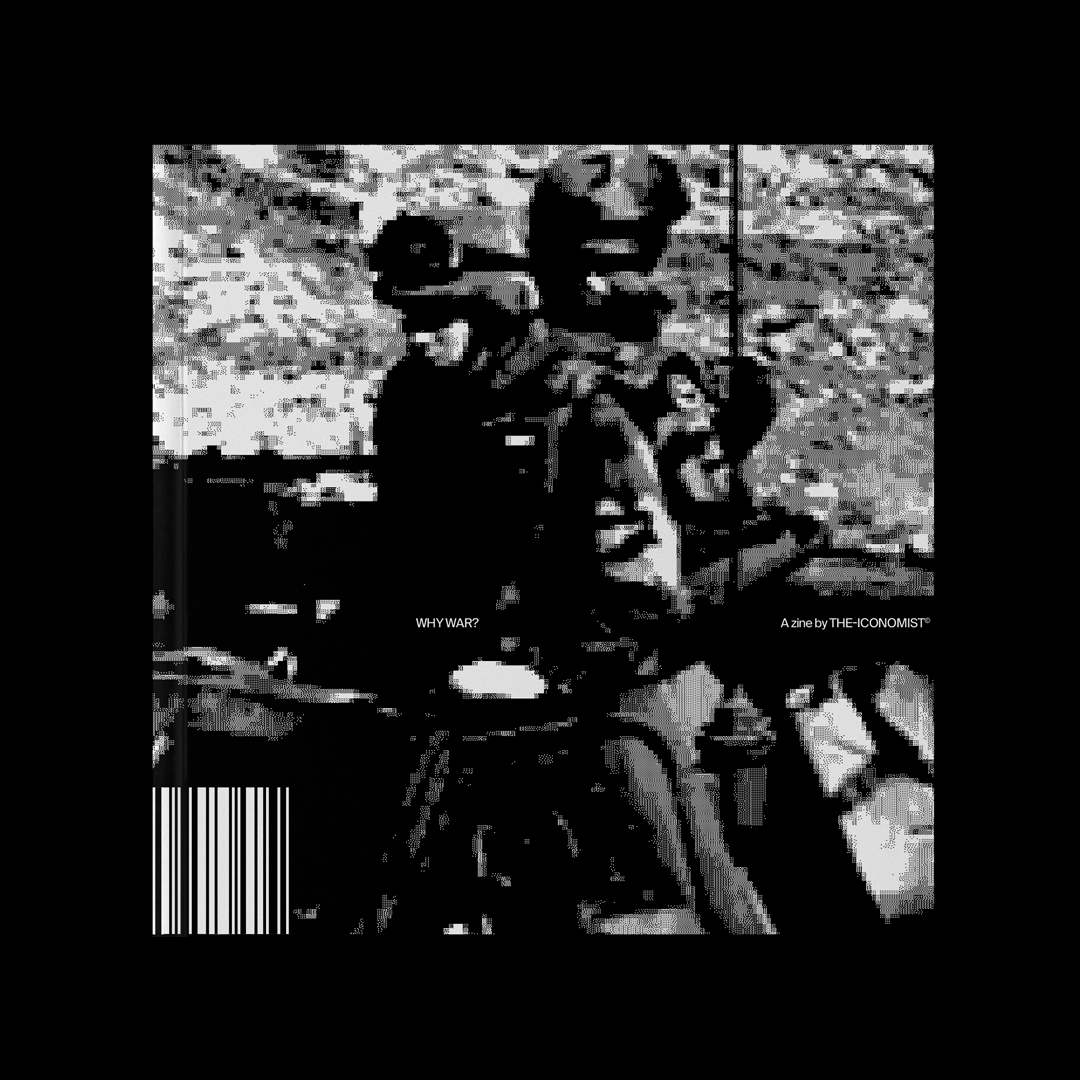
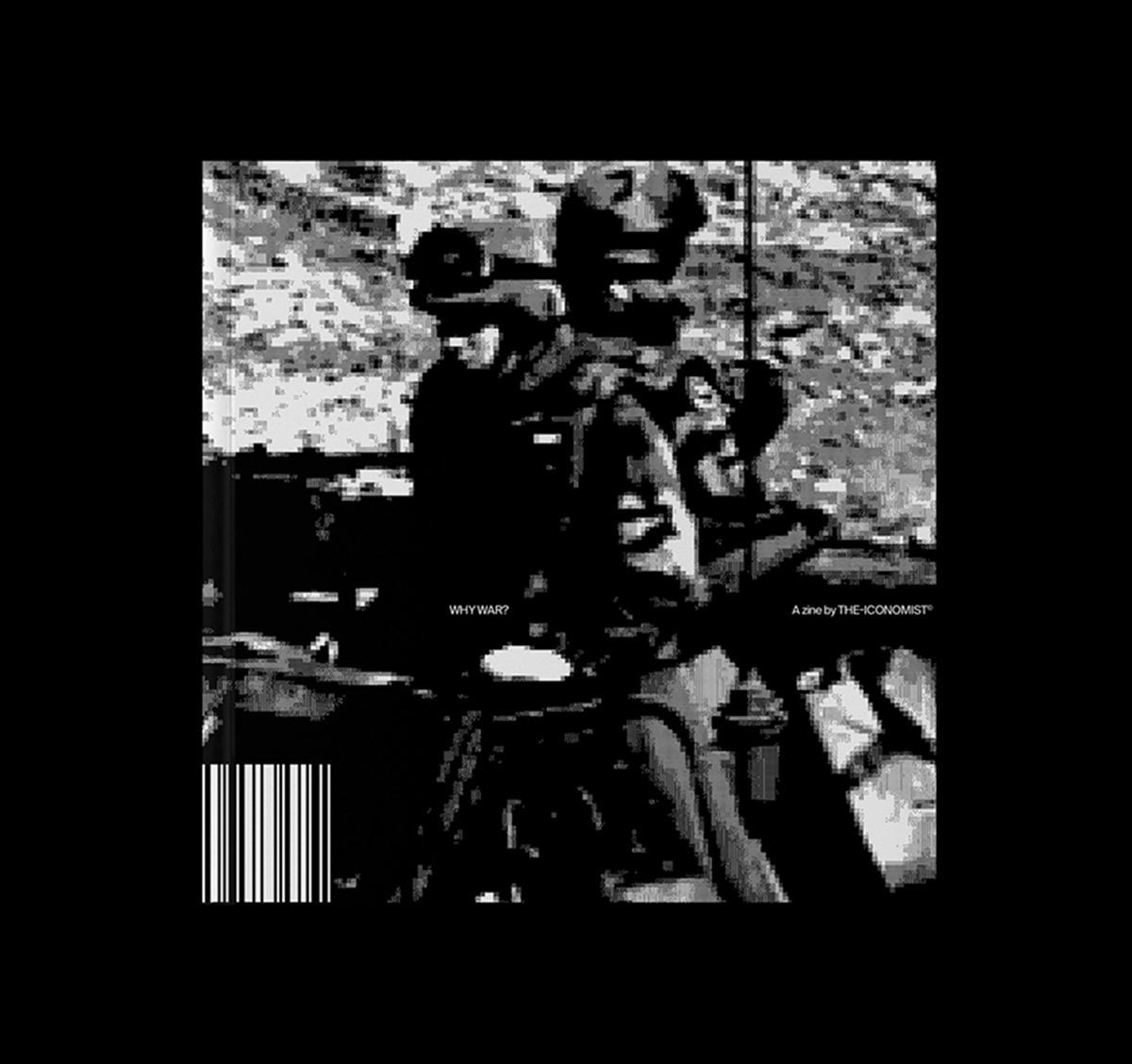
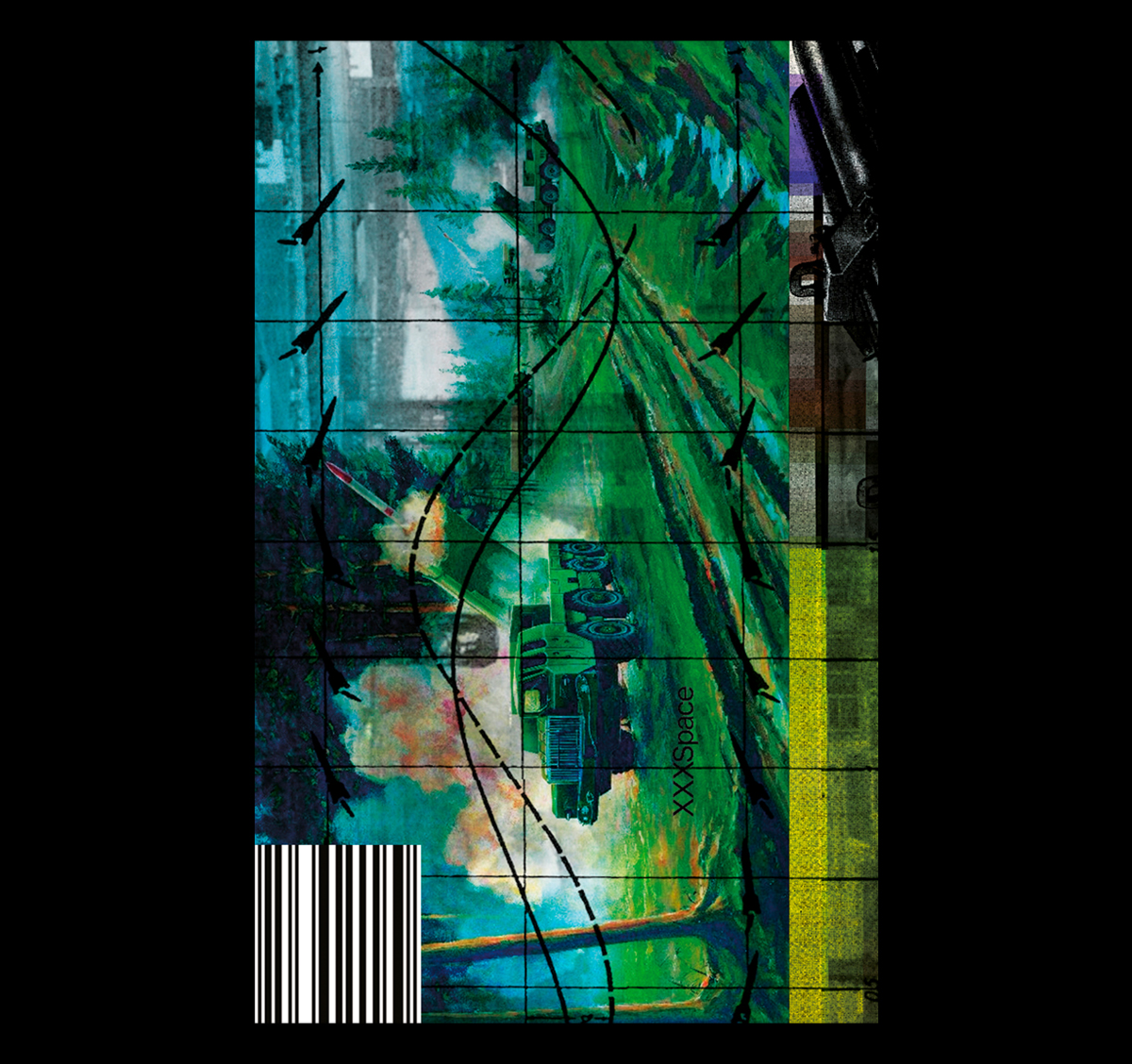
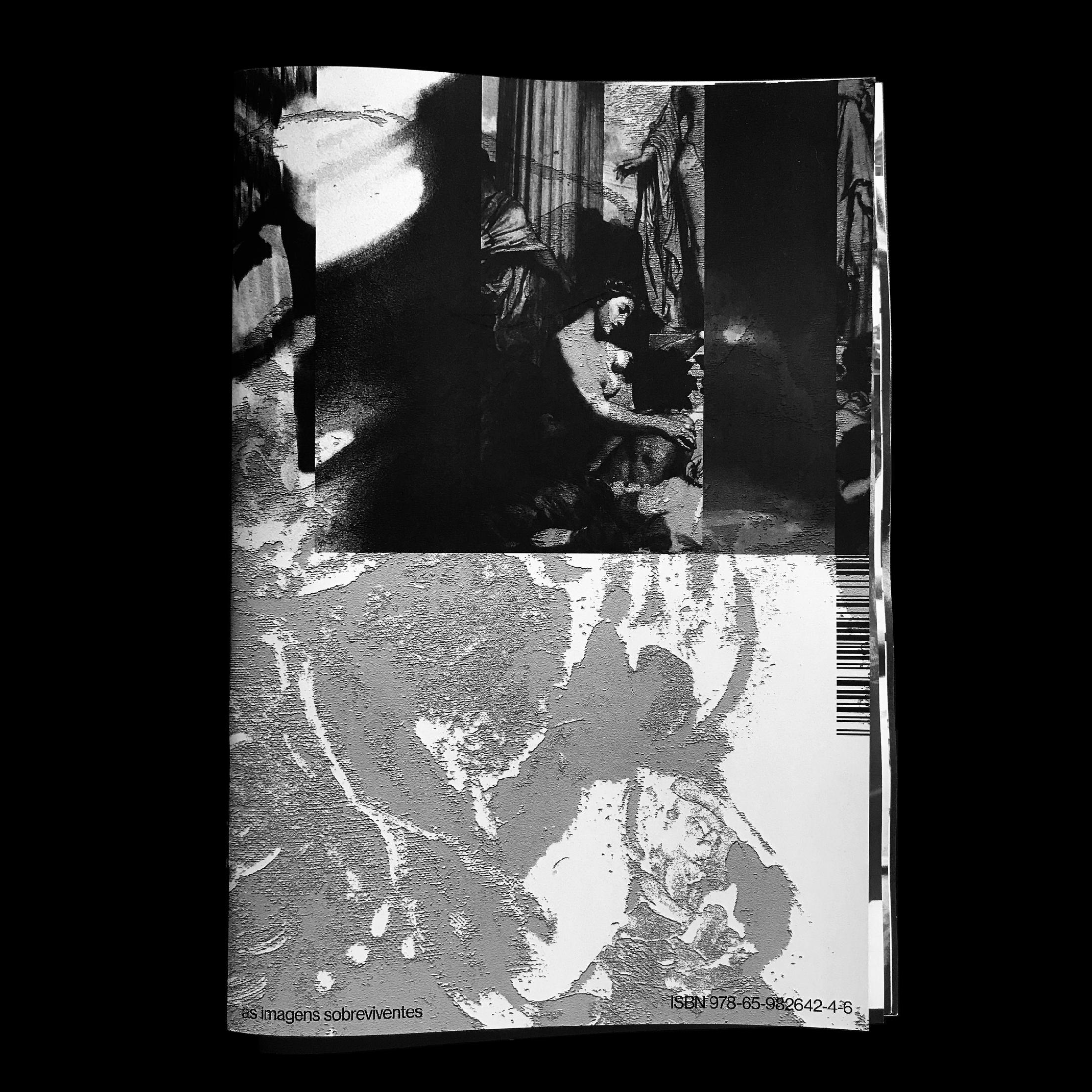
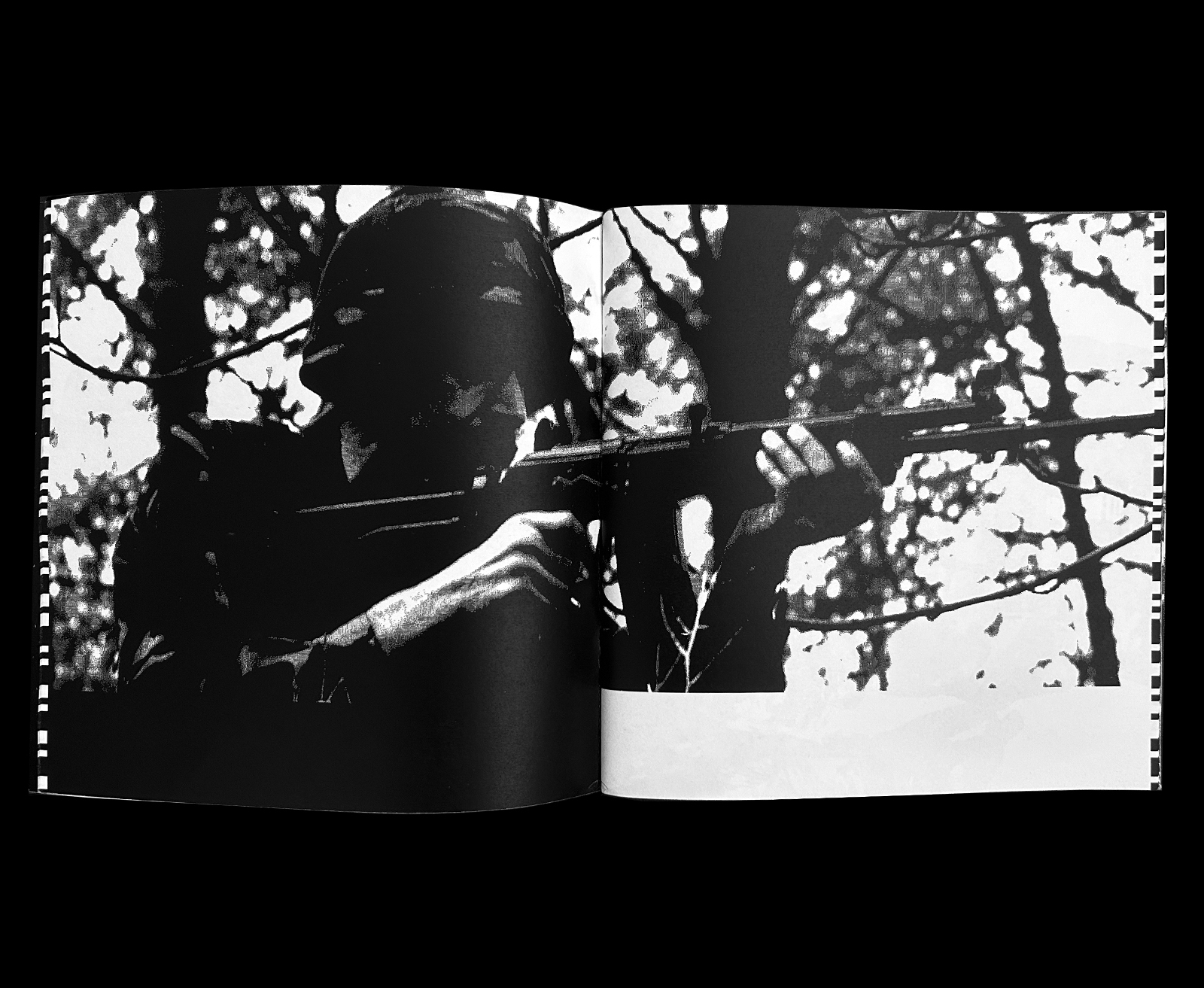
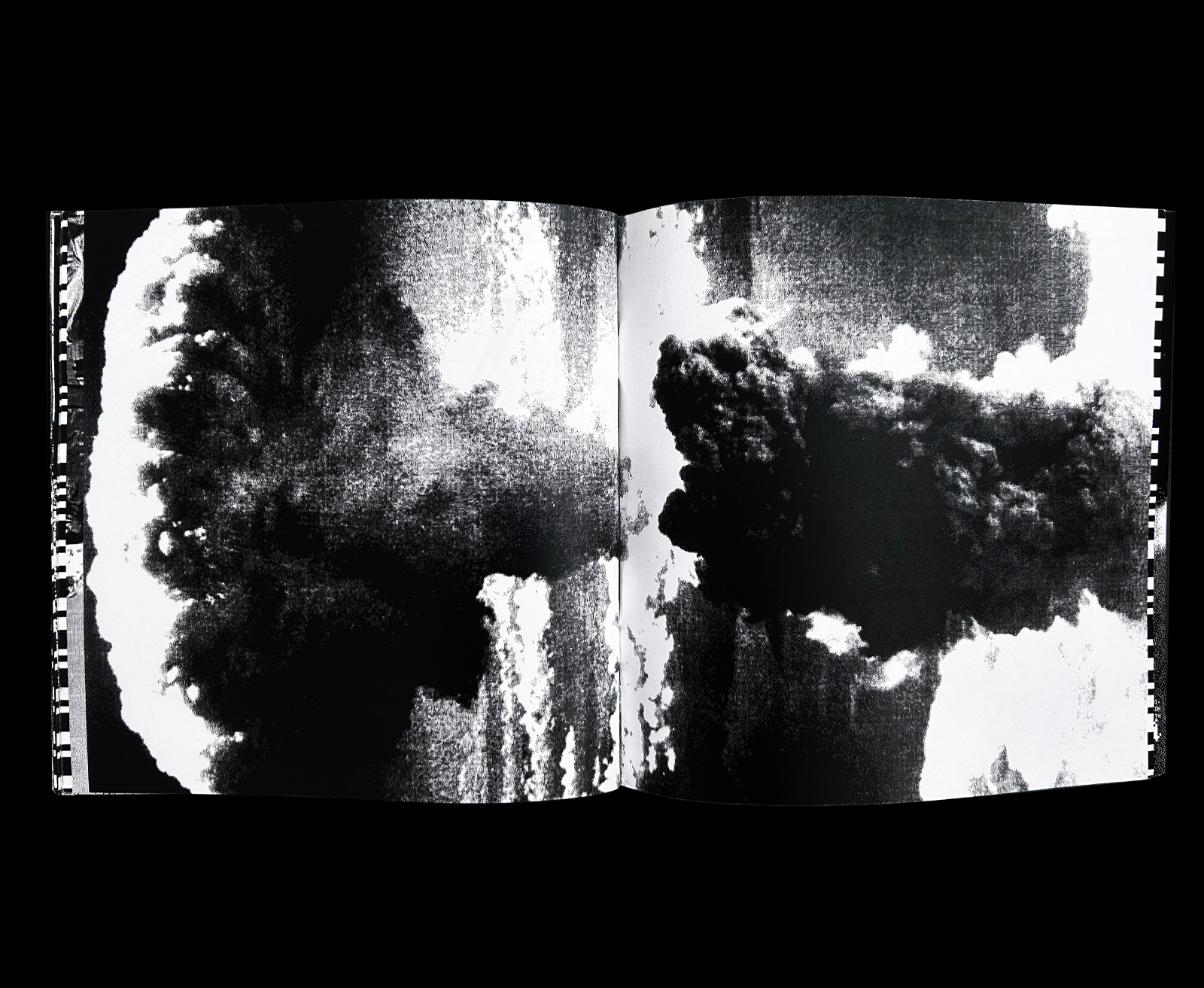
EN WHY WAR? starts from the question posed in the letter Why War?, exchanged between Sigmund Freud and Albert Einstein in 1932: why does war persist, even in the face of all the rationality we have supposedly achieved? The images gathered here do not aim to illustrate the history of conflicts, but to reveal their permanence, as if war, rather than an event, were a structure that reconfigures itself with each generation. According to recent studies by the Peace Research Institute Oslo, 2024 saw the highest number of simultaneous armed conflicts since the end of the Second World War — more than sixty active wars in thirty-six countries. Faced with this repetition, the images speak less of borders and more of a human condition that insists on not ceasing. This zine is, therefore, an archive of the continuity of violence — and an attempt to ask again, with Freud: why?
PT WHYWAR? parte da questão colocada nas cartas trocadas entre Sigmund Freud e Albert Einstein em 1932: por que a guerra persiste, mesmo diante de toda a racionalidade que supostamente alcançamos? As imagens aqui reunidas não pretendem ilustrar a história dos conflitos, mas revelar sua permanência, como se a guerra, em vez de um evento, fosse uma estrutura que se reconfigura a cada geração. De acordo com estudos recentes do Instituto de Pesquisa para a Paz de Oslo, 2024 registrou o maior número de conflitos armados simultâneos desde o fim da Segunda Guerra Mundial — mais de sessenta guerras ativas em trinta e seis países. Diante dessa repetição, as imagens falam menos de fronteiras e mais de uma condição humana que insiste em não cessar. Esta zine é, portanto, um arquivo da continuidade da violência — e uma tentativa de perguntar novamente, com Freud: por quê?
Year: 2025 A project by THE-ICONOMIST Text by Sigmund Freud
Graphic design by frombrazilwithlovestudio 19x19 cm, 84 pp., softcover, #NOISBN
Delivery: 15 days (Brazil), 30-45 days (International) Secure check-out via MagCloud
Graphic design by frombrazilwithlovestudio 19x19 cm, 84 pp., softcover, #NOISBN
Delivery: 15 days (Brazil), 30-45 days (International) Secure check-out via MagCloud
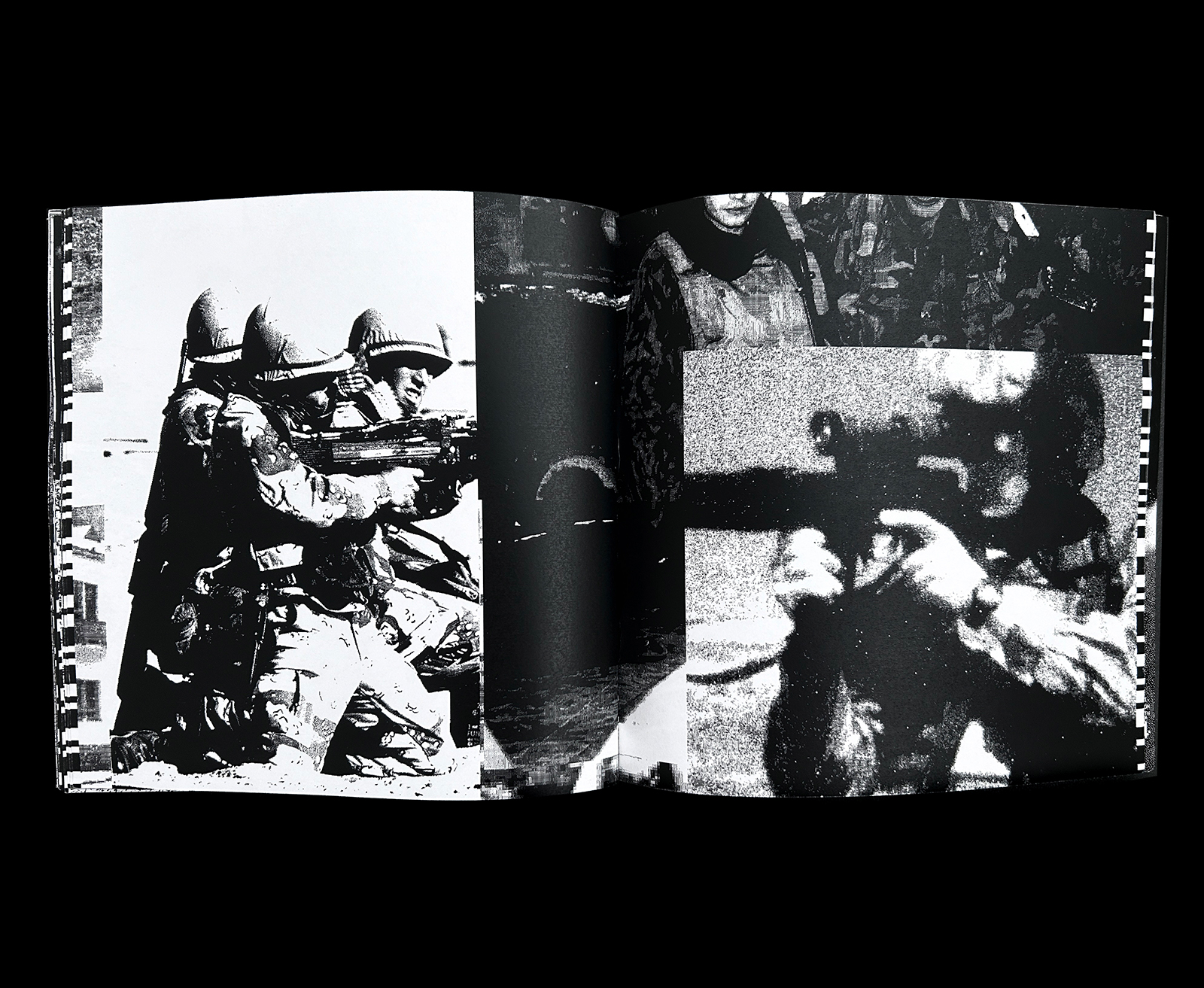
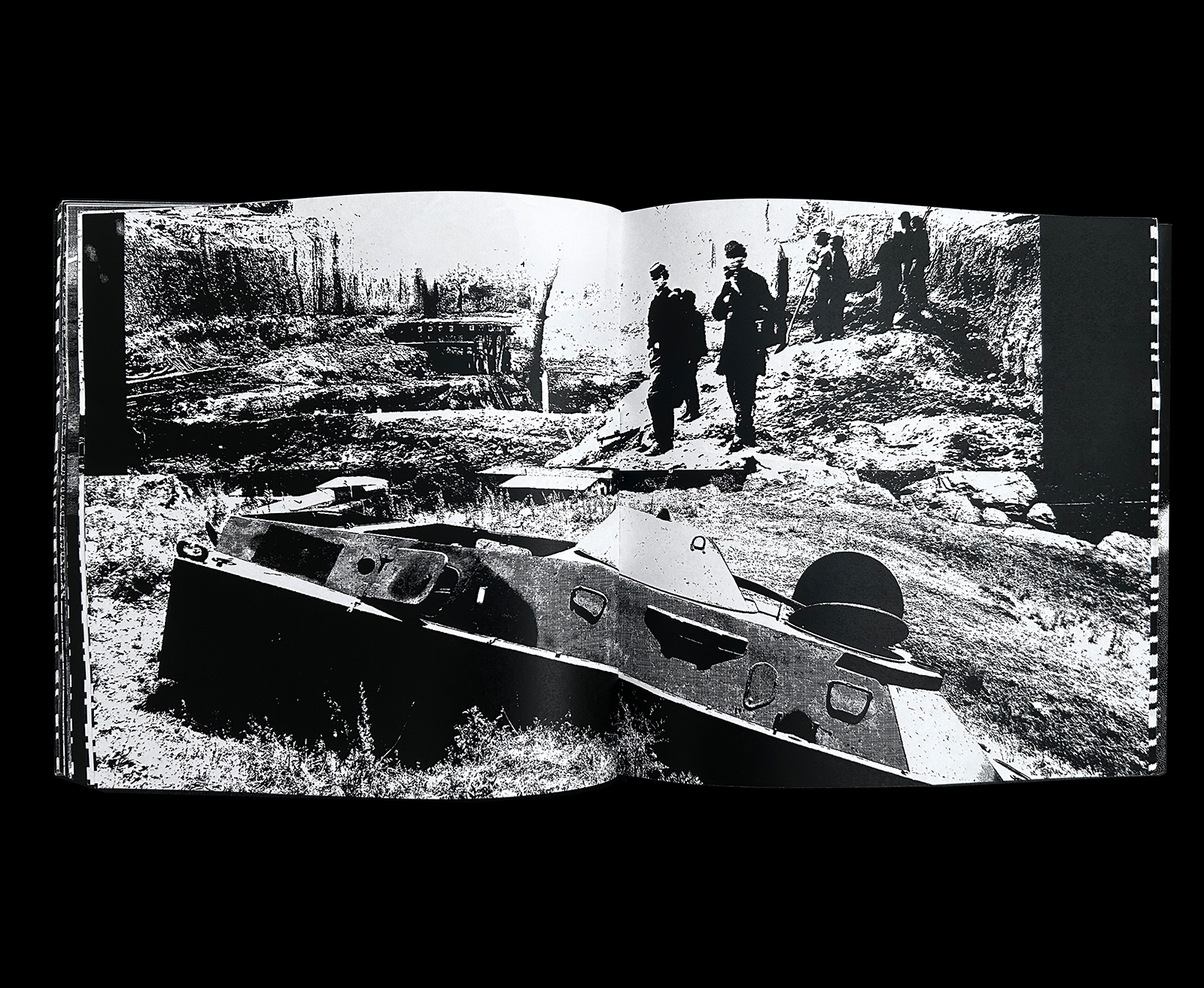
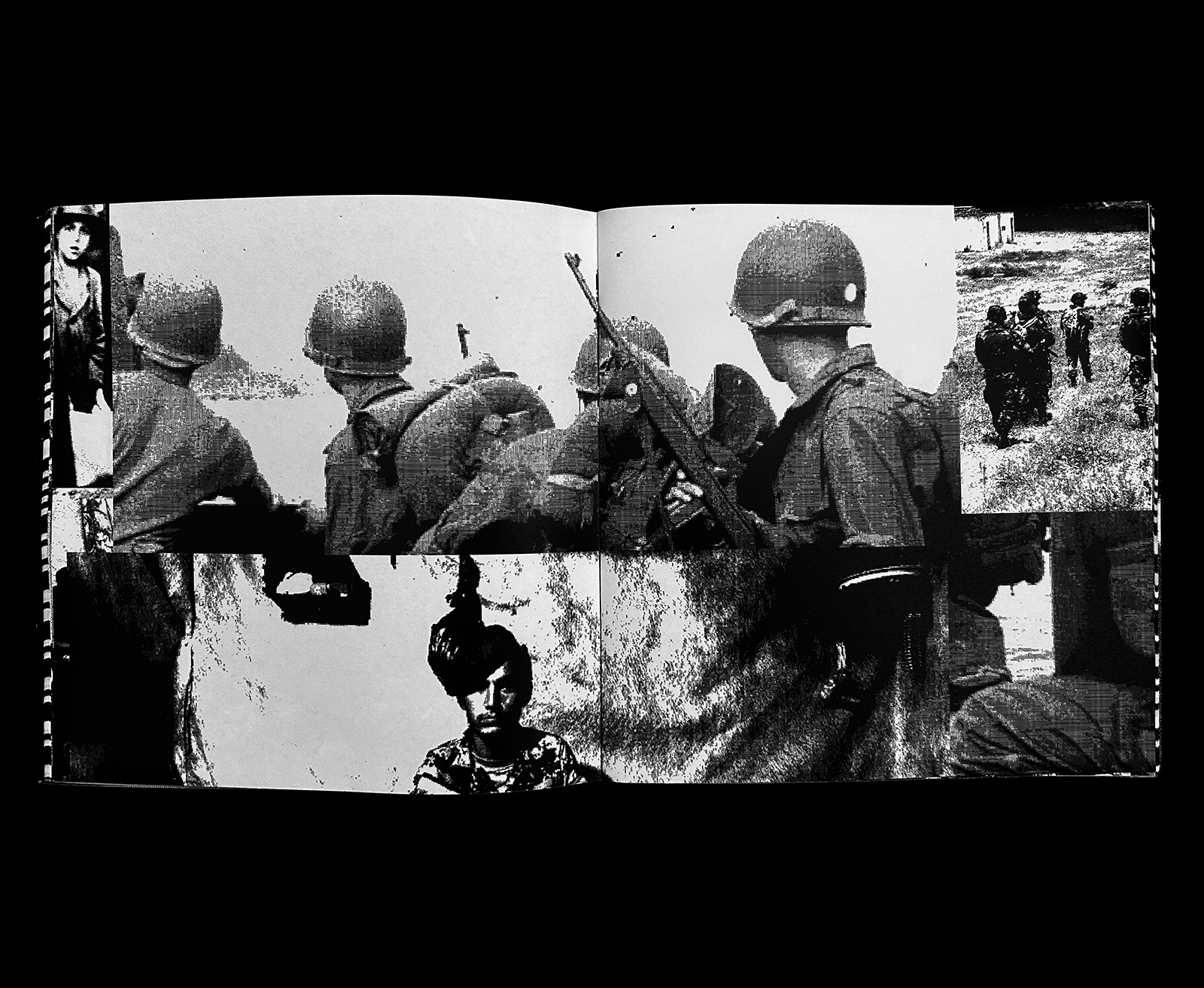
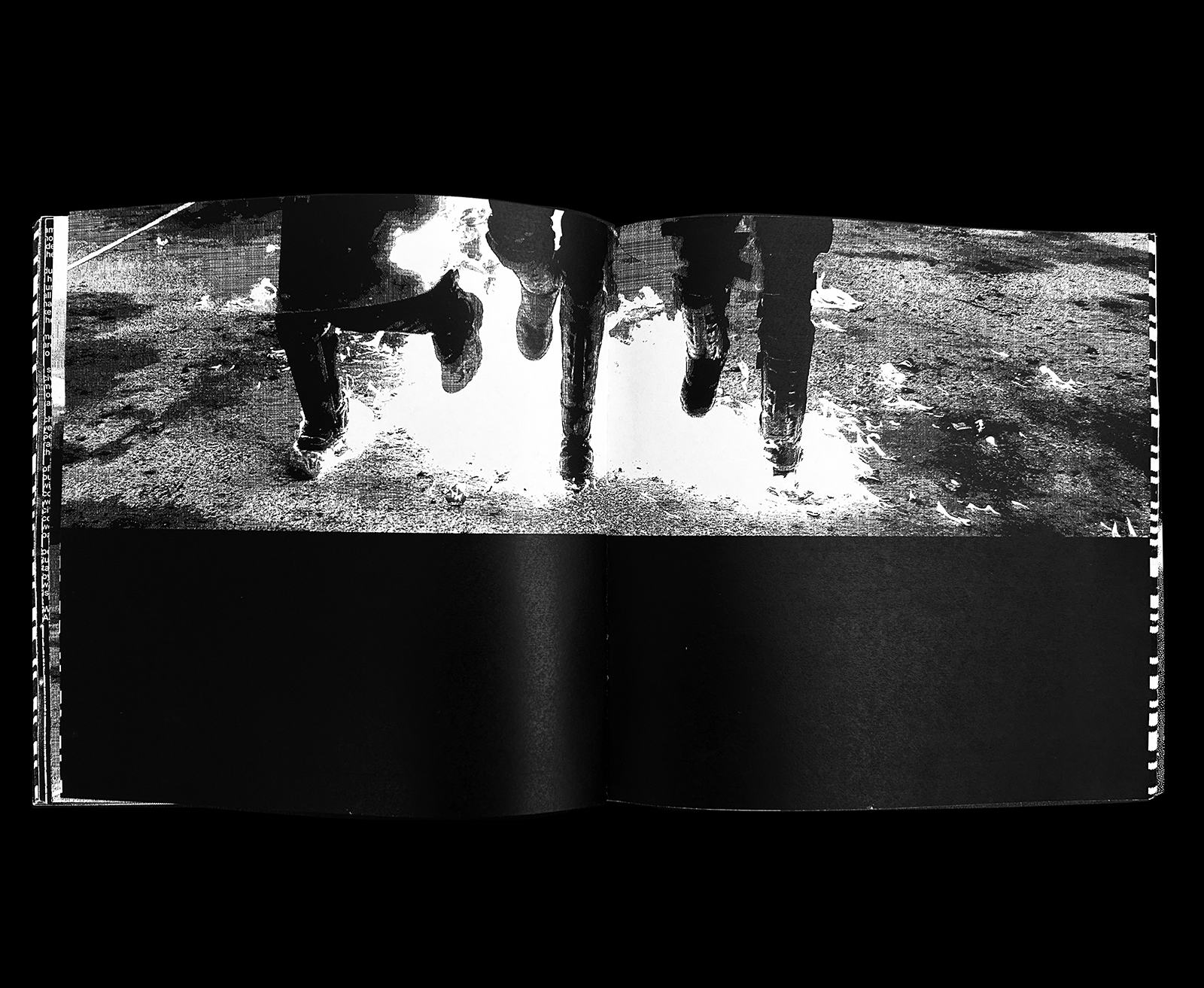
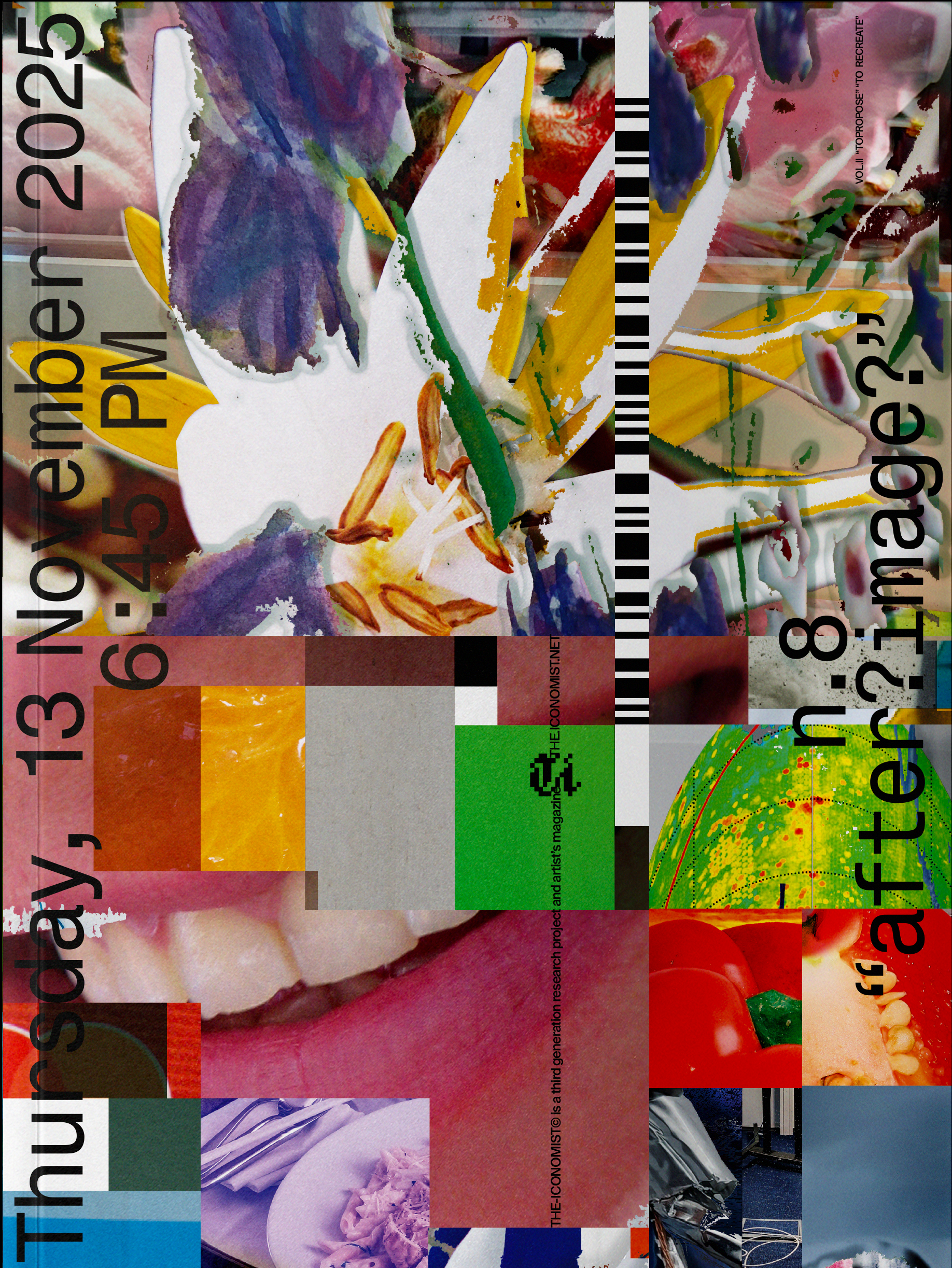
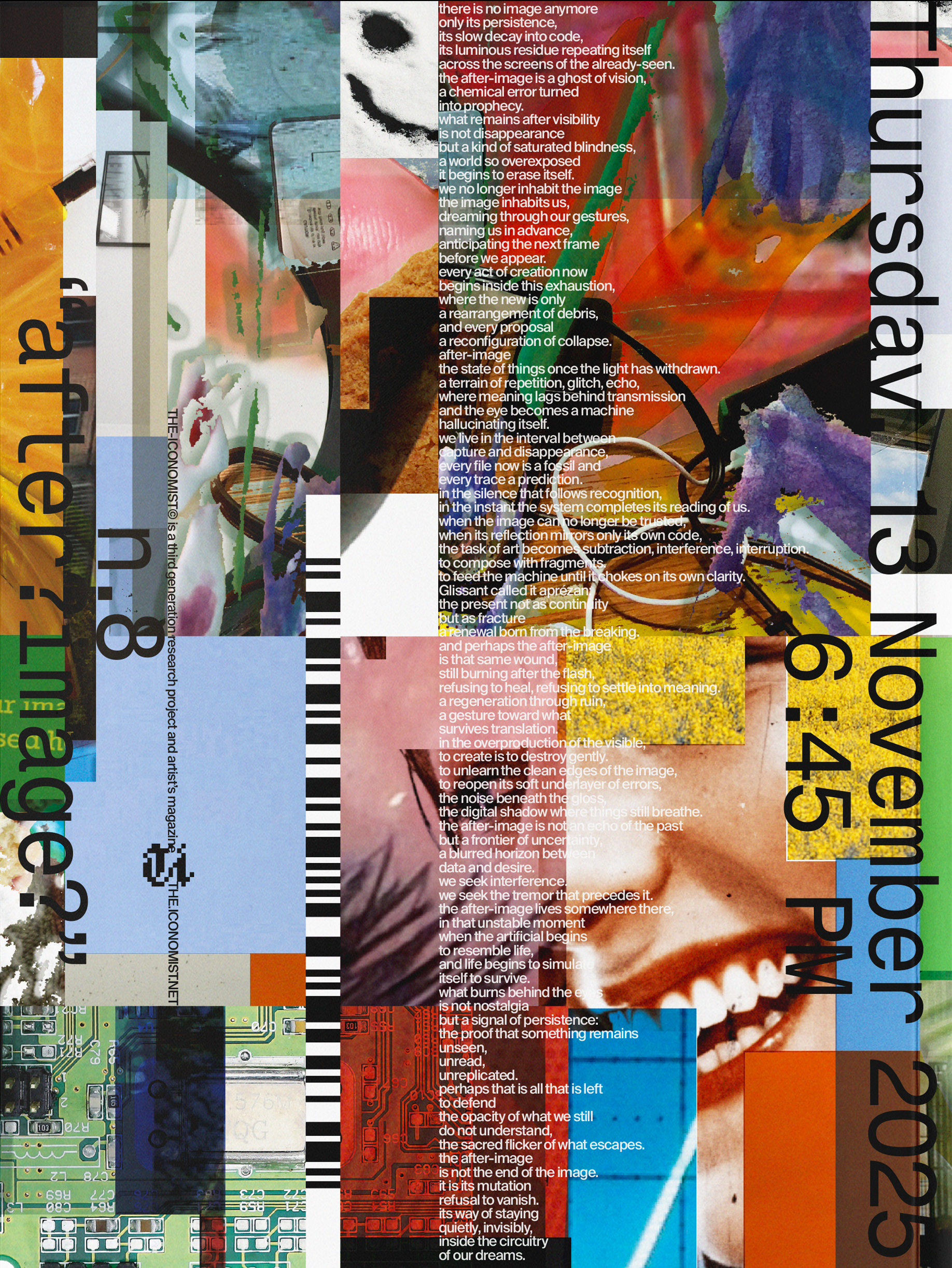
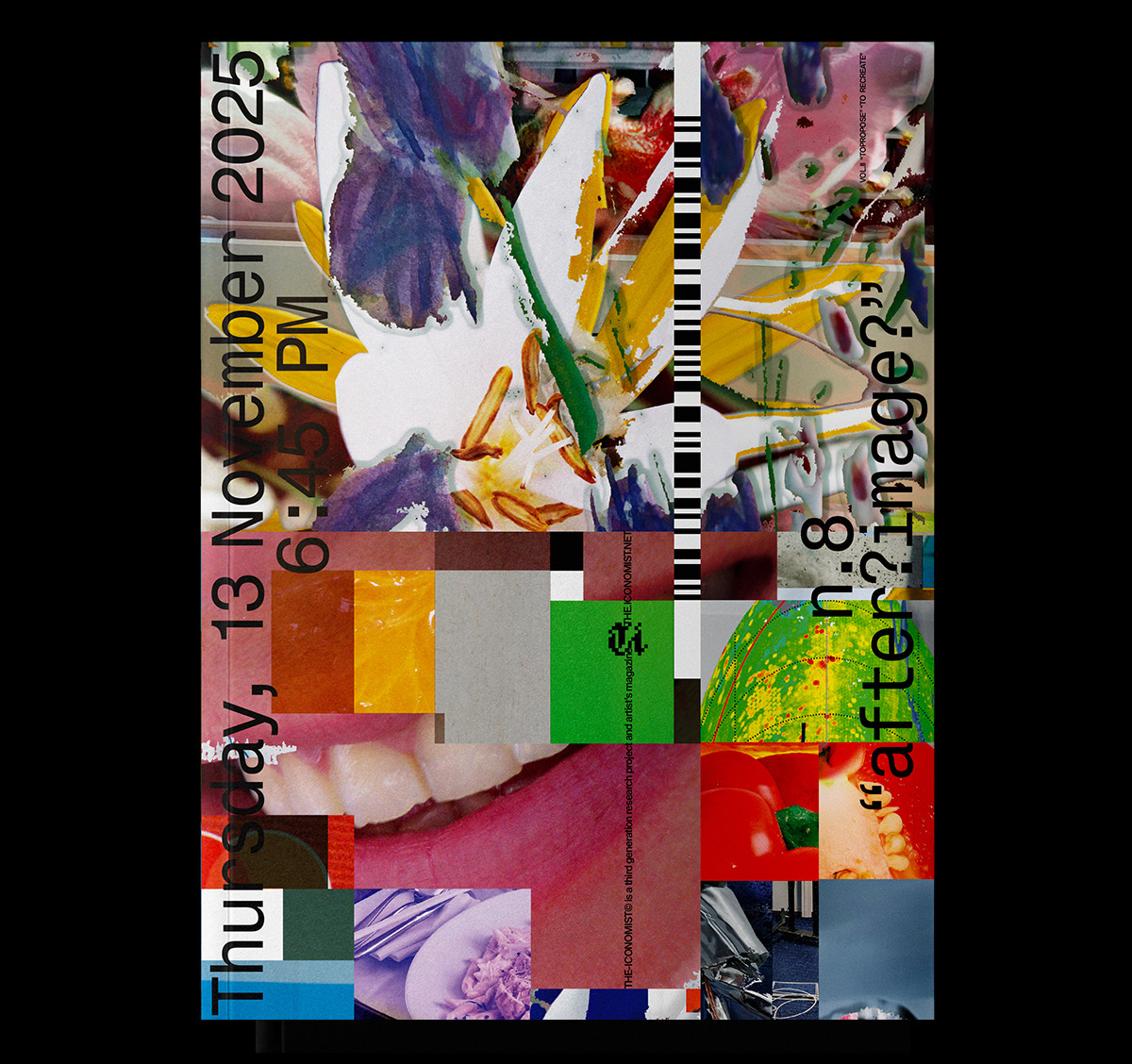
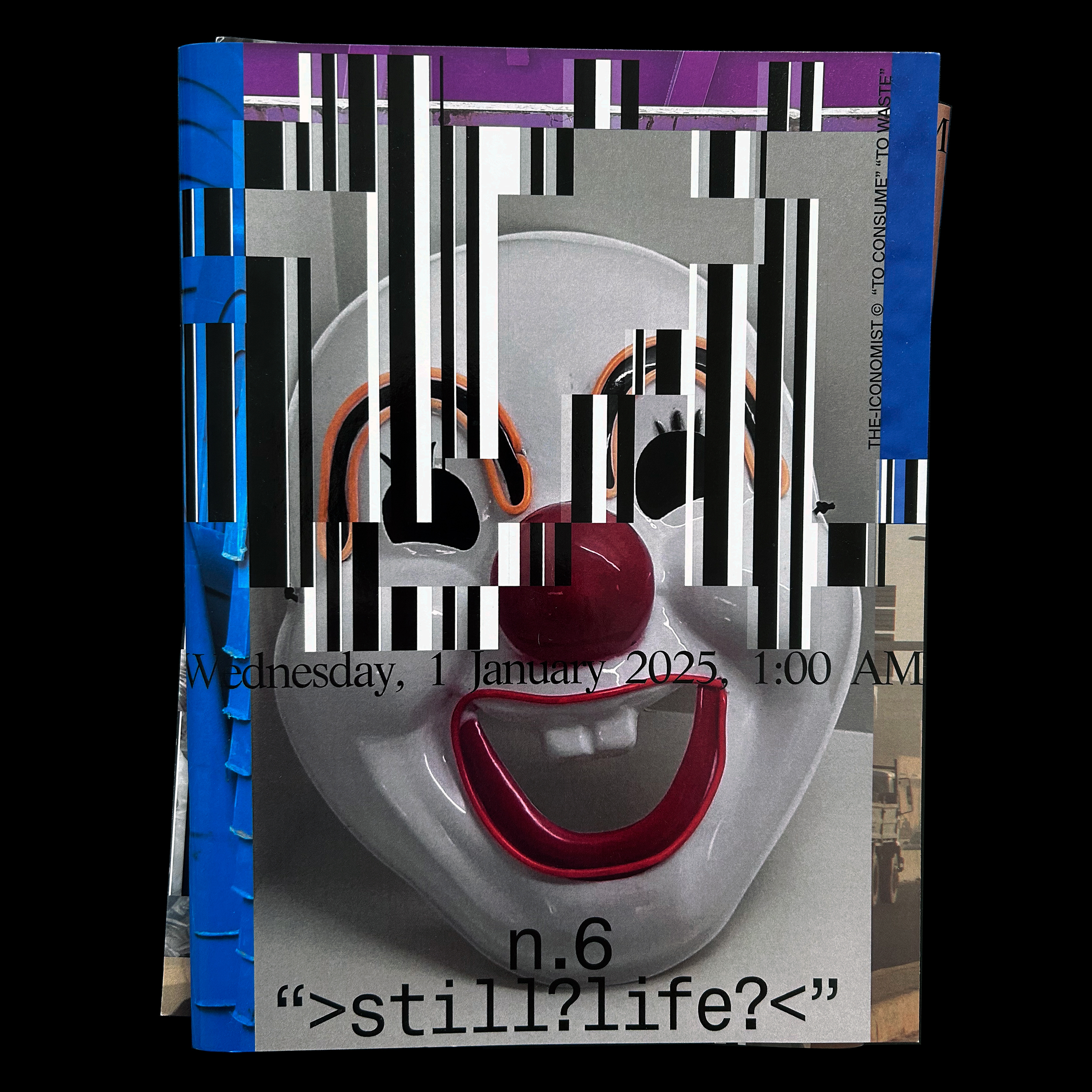
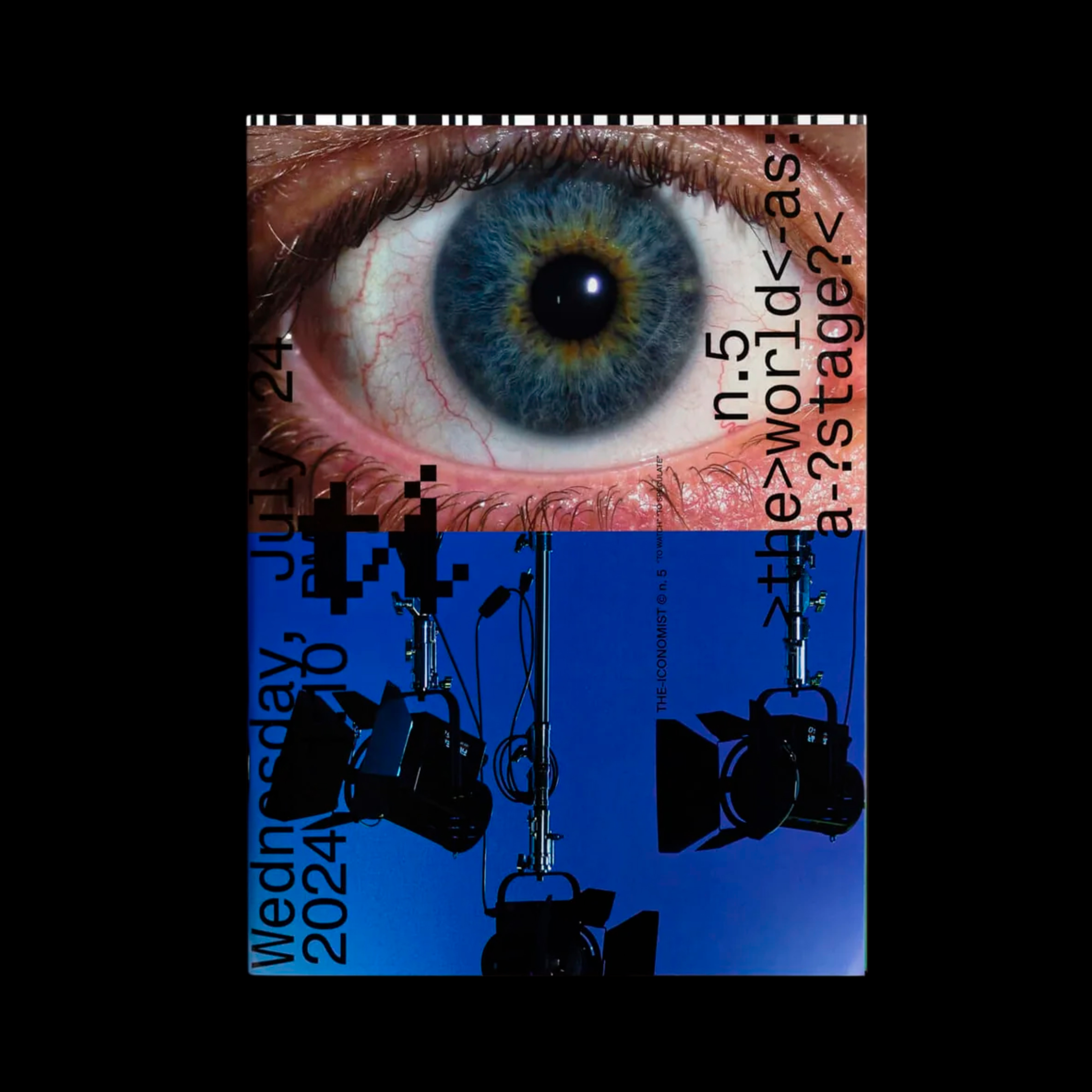
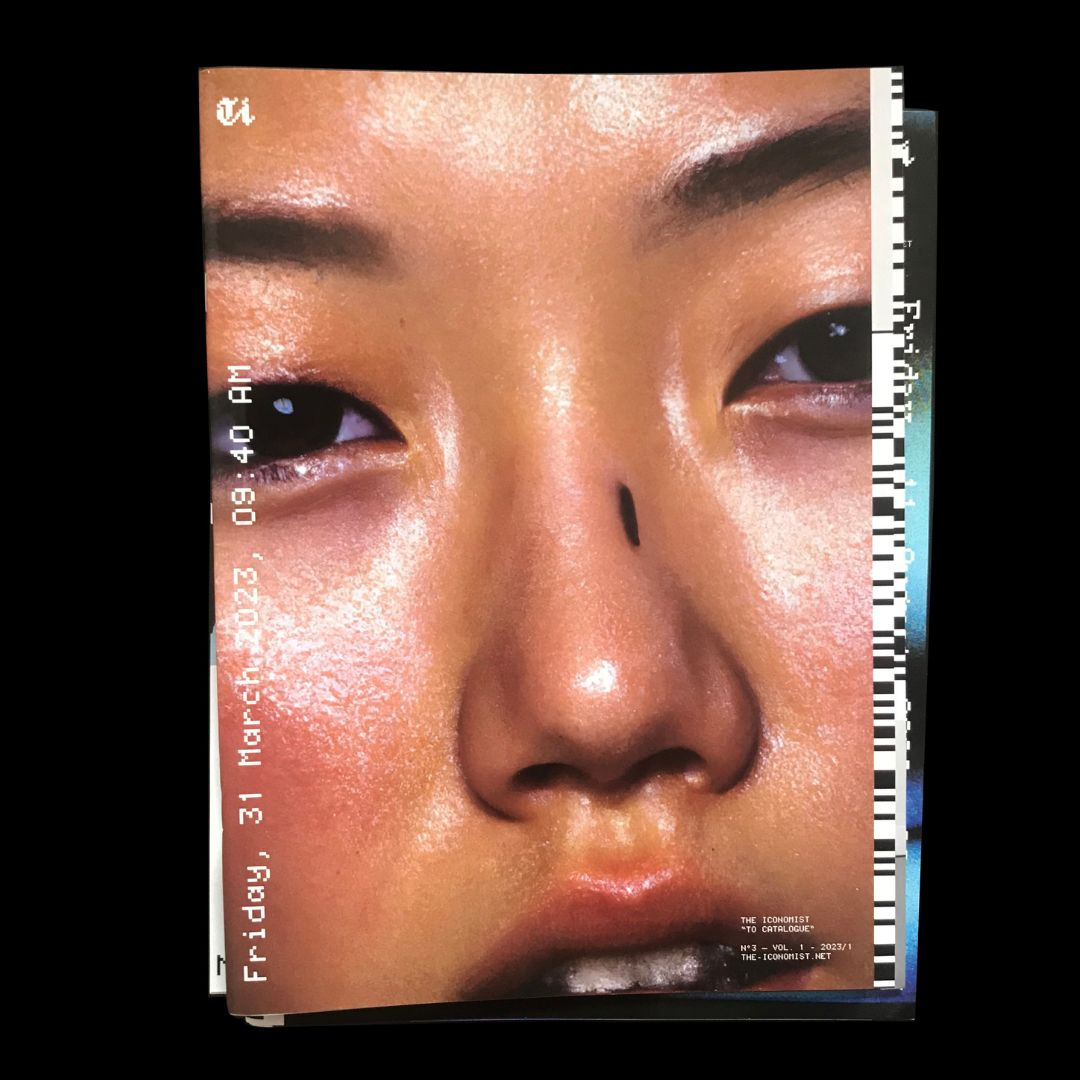
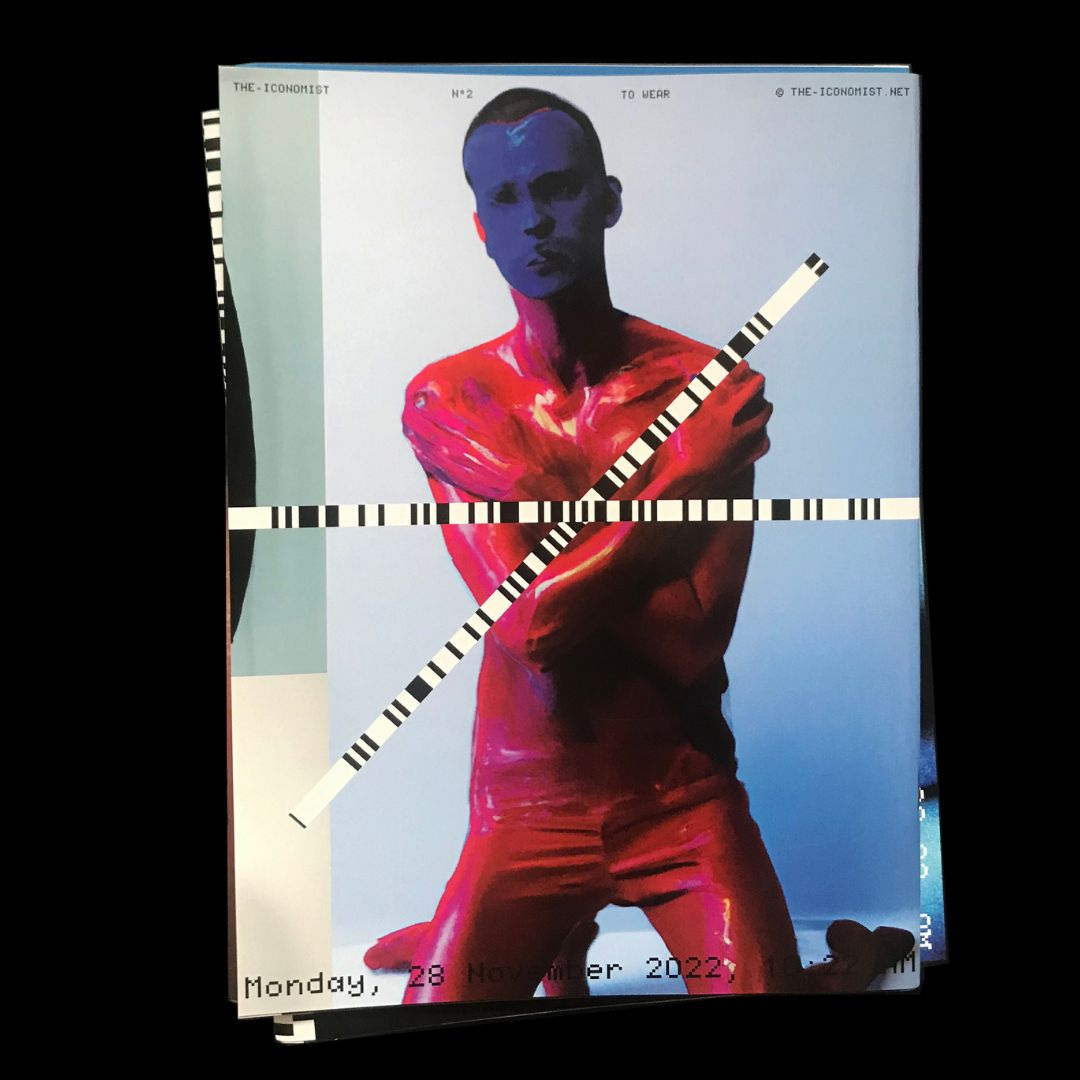
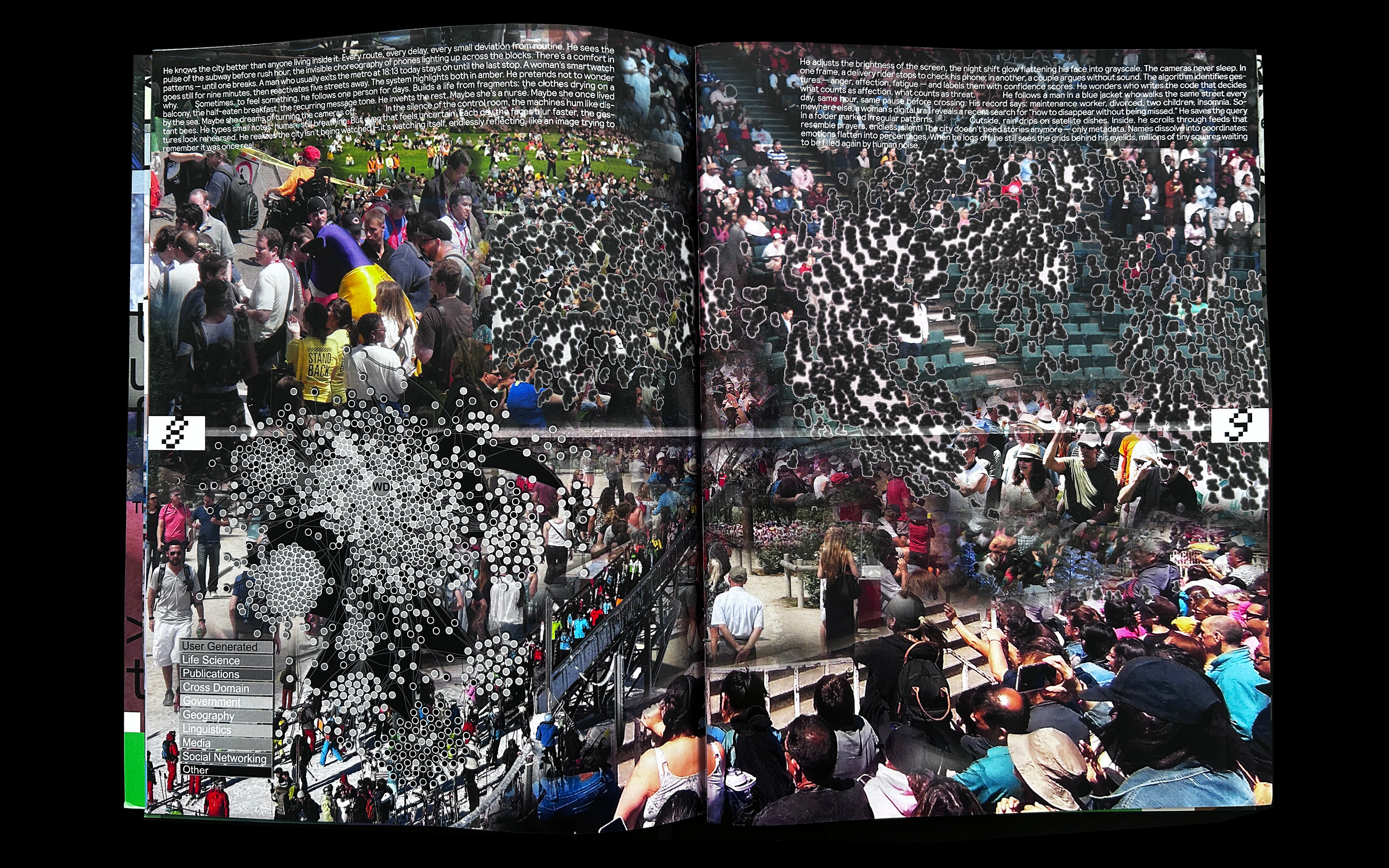
PT A oitava edição da THE-ICONOMIST tem como ponto de partida a noção de aprèzan de Édouard Glissant: o presente como um intervalo vivo entre a destruição e a regeneração. A partir dessa ideia, desenvolve-se uma reflexão sobre o que significa criar em uma era em que as imagens se multiplicam infinitamente e em que a própria visibilidade se tornou uma forma de captura. Em um mundo cada vez mais moldado pela inteligência artificial, cada imagem que compartilhamos se torna um dado; analisada, categorizada e reabsorvida em vastos sistemas de reconhecimento. Dentro desse panorama, a publicação sugere um tipo diferente de resposta: um artesanato digital que se move contra a automação, explorando como o ato deliberado de cortar, sobrepor e remontar imagens pode funcionar tanto como criação quanto como camuflagem, uma forma de perturbar a legibilidade suave exigida pelas máquinas. Propor/Recriar se desdobra como um terreno em movimento do pensamento visual, que é em parte proposta, em parte reconstrução. Além de textos experimentais criados por THE-ICONOMIST, a edição também apresenta trechos selecionados de autores como Naomi Klein, Thomas Pynchon, Mark Fisher, Olga Tokarczuk, Fernando Birri, entre outros.
EN The eighth issue of THE-ICONOMIST, titled To propose / To recreate, takes as its point of departure Édouard Glissant’s notion of the aprèzan: the present as a living interval between destruction and regeneration. From this idea unfolds a reflection on what it means to create in an era where images multiply endlessly, and where visibility itself has become a form of capture. In a world increasingly shaped by artificial intelligence, every image we share becomes data; analyzed, categorized, and reabsorbed into vast systems of recognition. Within this landscape, the publication suggests a different kind of response: a digital craftsmanship that moves against automation, exploring how the deliberate act of cutting, layering, and reassembling images can function as both creation and camouflage, a way of disrupting the smooth readability demanded by machines. To propose / To recreate unfolds as a moving terrain of visual thought, which is part proposal, part reconstruction. In addition to experimental texts created by THE-ICONOMIST, the edition also features selected excerpts from authors such as Naomi Klein, Thomas Pynchon, Mark Fisher, Olga Tokarczuk, Fernando Birri, among others.
Year: 2025 A project by THE-ICONOMIST
Graphic design by frombrazilwithlovestudio, NO ISBN, 21x28 cm, 58 pages, softcover
Delivery: 45 days (Brazil), 15-20 days (International)
Secure check-out via Magcloud. Shipping worldwide.
Graphic design by frombrazilwithlovestudio, NO ISBN, 21x28 cm, 58 pages, softcover
Delivery: 45 days (Brazil), 15-20 days (International)
Secure check-out via Magcloud. Shipping worldwide.
20,00$ USD


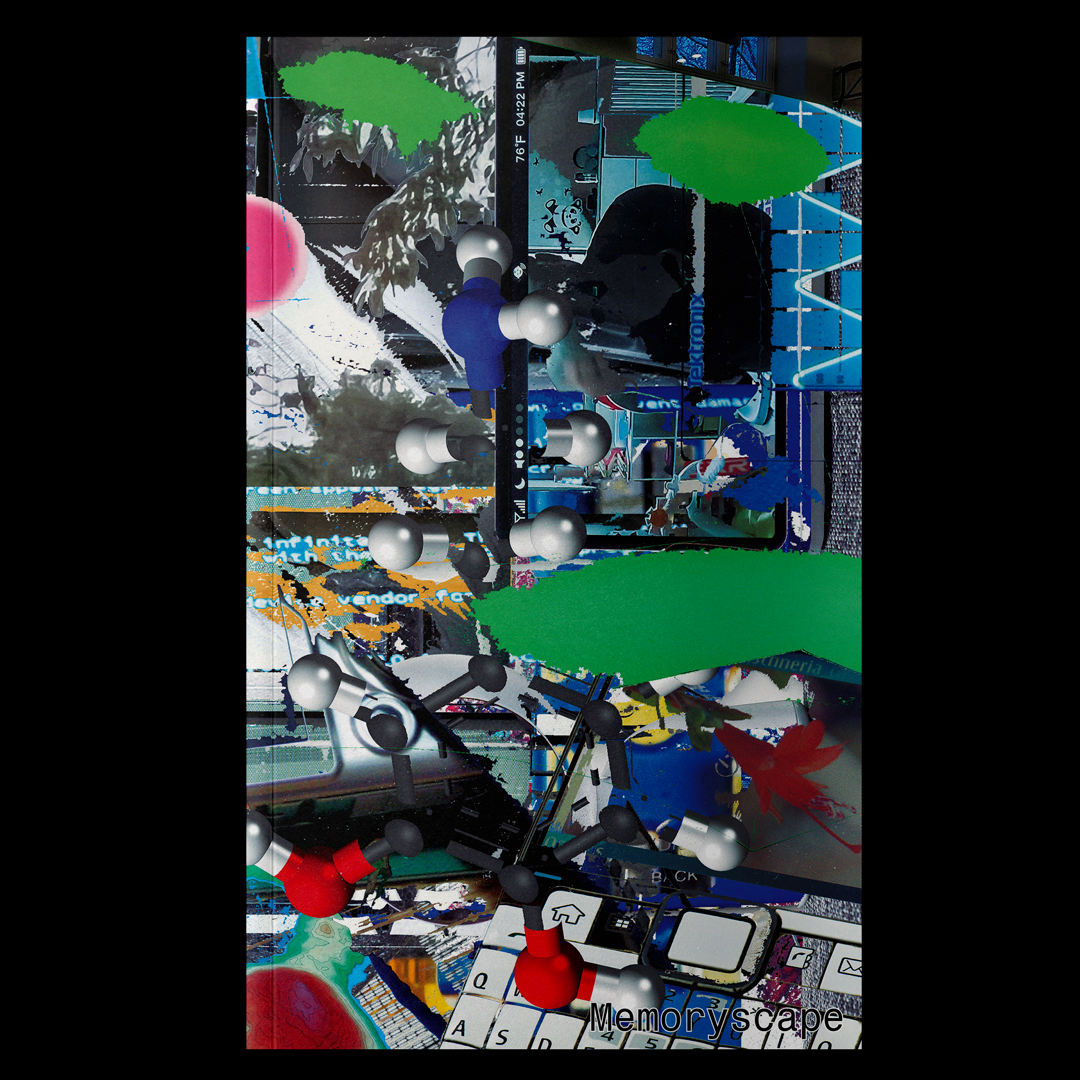
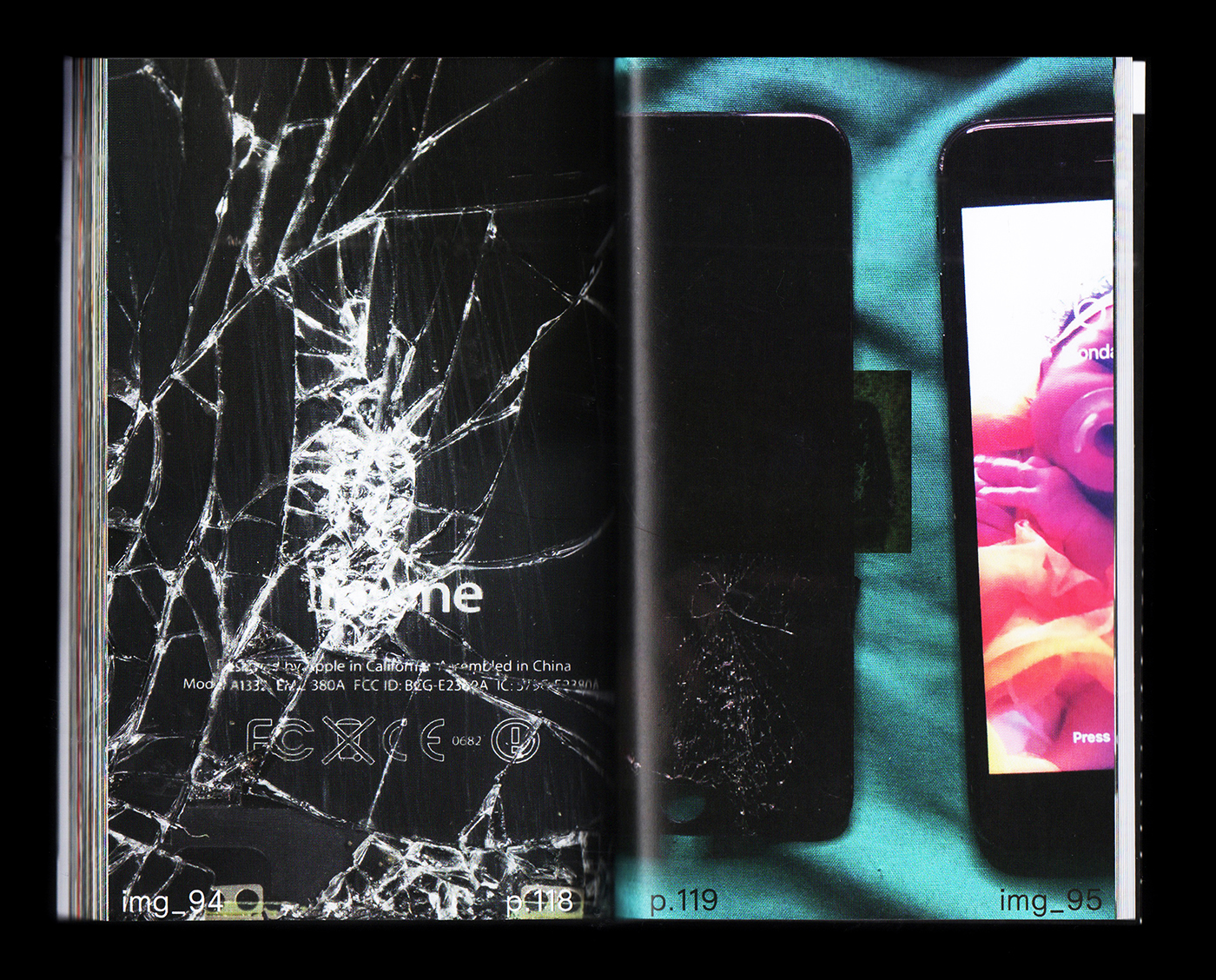
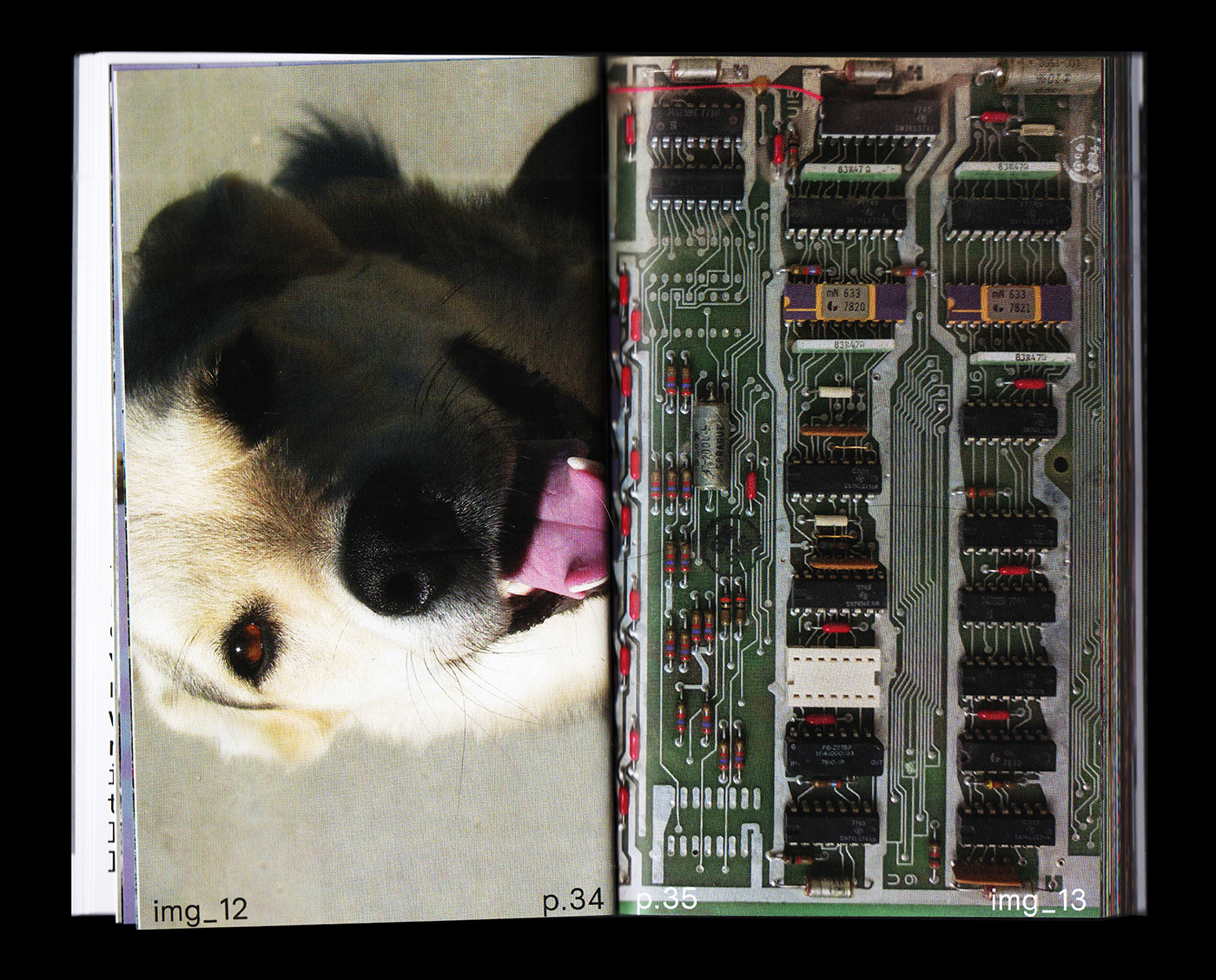
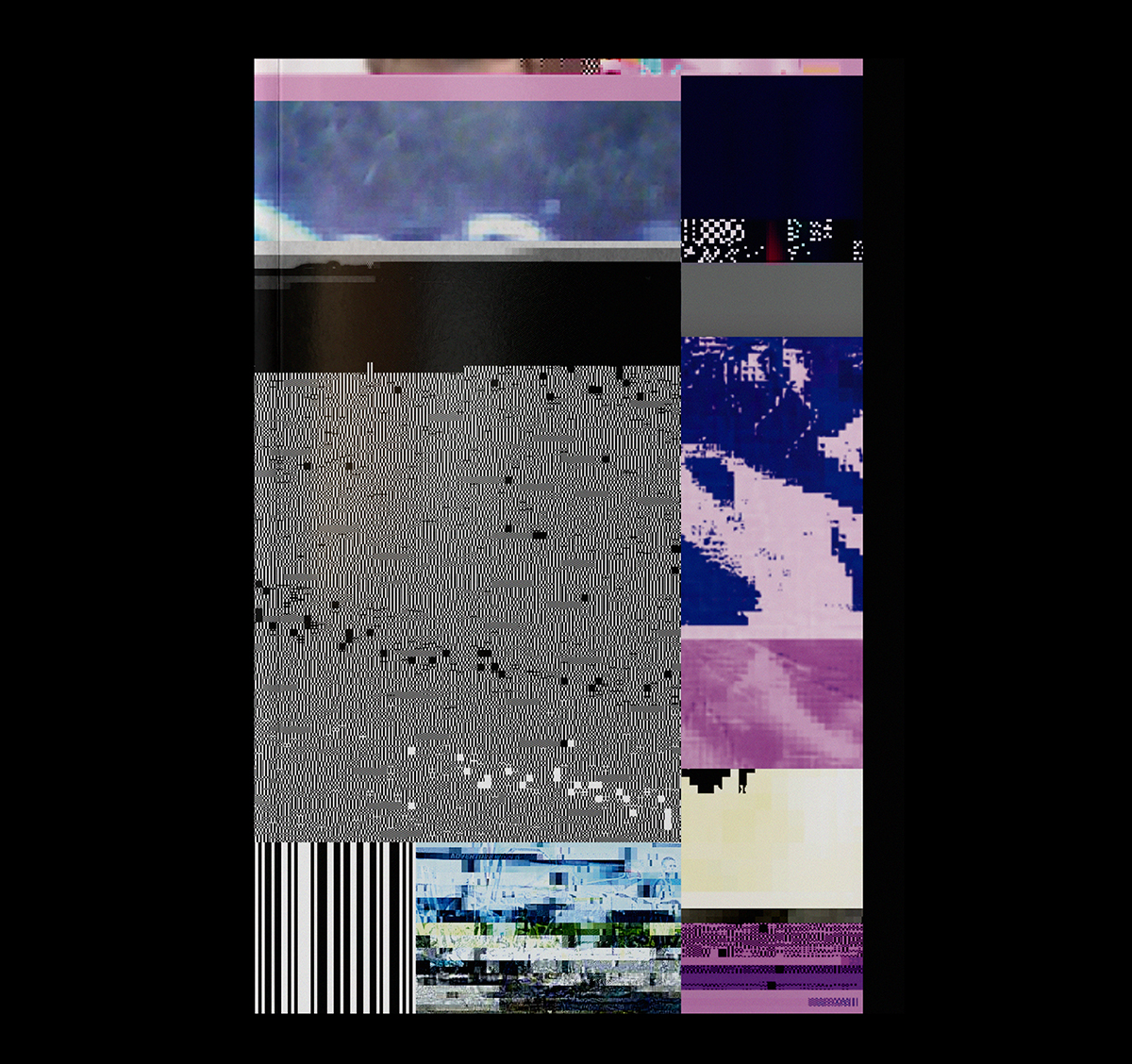
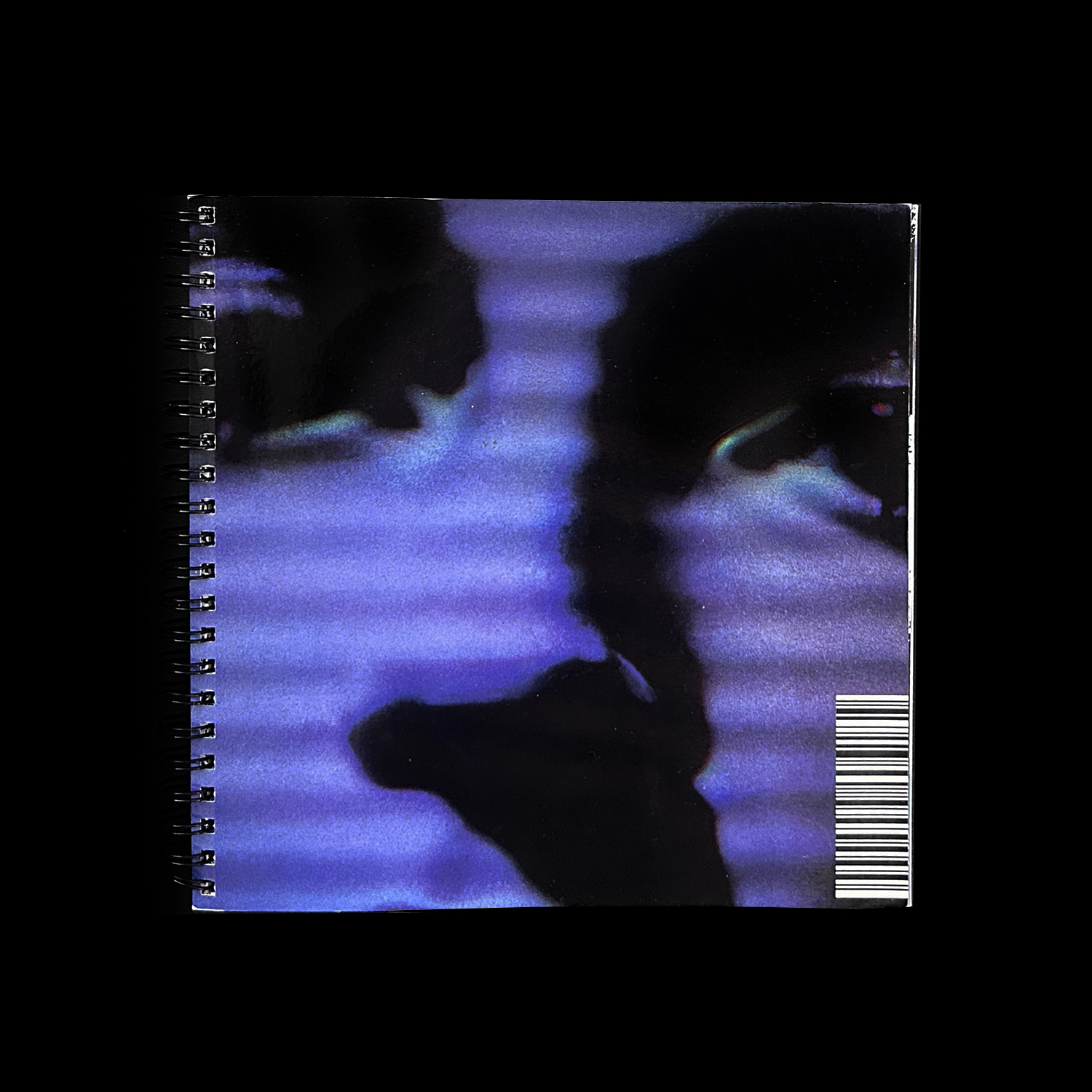
PT Memoryscape é um conto especulativo de THE-ICONOMIST que opera no cruzamento entre memória, tecnologia e subjetividade. O livro articula feeds, notificações, algoritmos e falhas de sistema como matéria narrativa, compondo um campo de resíduos; ecos, ruídos e fragmentos de uma vida mediada por dispositivos. Entre sonhos arquivados, identidades captcha e emoções traduzidas em dados, a memória deixa de pertencer ao corpo e passa a funcionar em infraestruturas invisíveis. O livro foi desenvolvido a partir de manchetes do New York Times, tomadas não como informação, mas como fragmentos de uma subjetividade neoliberal, como corpo, performance, futuro, otimização. Submetido a um processo de escrita automatizada por uma inteligência artificial, esse arquivo foi reorganizado por uma lógica de montagem algorítmica. Da reordenação emerge uma narrativa contínua: um mapa afetivo artificial, um memoryscape sem memória, construído a partir de resíduos discursivos contemporâneos. As 99 imagens que acompanham a narrativa foram apropriadas e organizadas segundo o ritmo e as recorrências do texto, funcionando como extensões visuais de sintomas, falhas e interrupções. Cada reaparição produz um curto-circuito entre experiência e registro, até que a tentativa de escapar da própria memória se apresente como um gesto ambíguo: desaparecer dos arquivos para continuar existindo.
EN Memoryscape is a speculative short story by THE-ICONOMIST that operates at the intersection of memory, technology, and subjectivity. The book articulates feeds, notifications, algorithms, and system failures as narrative material, composing a field of residues; echoes, noises, and fragments of a life mediated by devices. Between archived dreams, captcha identities and emotions translated into data, memory ceases to belong to the body and begins to function in invisible infrastructures. The book was developed from New York Times headlines, taken not as information, but as fragments of a neoliberal subjectivity, such as body, performance, future, optimization. Submitted to a process of automated writing by artificial intelligence, this archive was reorganised by a logic of algorithmic assembly. From the reordering emerges a continuous narrative: an artificial affective map, a memoryscape without memory, constructed from contemporary discursive residues. The 99 images that accompany the narrative were appropriated and organised according to the rhythm and recurrences of the text, functioning as visual extensions of symptoms, failures, and interruptions. Each reappearance produces a short circuit between experience and record, until the attempt to escape one's own memory presents itself as an ambiguous gesture: to disappear from the archives in order to continue existing.
Year: 2025 A short-story by THE-ICONOMIST
Graphic design by frombrazilwithlovestudio 11x18 cm, 146 pp., softcover, ISBN: 978-65-982642-7-7
Delivery: 15 days (Brazil), 30-45 days (International) Secure check-out via Stripe with shipping options.
Graphic design by frombrazilwithlovestudio 11x18 cm, 146 pp., softcover, ISBN: 978-65-982642-7-7
Delivery: 15 days (Brazil), 30-45 days (International) Secure check-out via Stripe with shipping options.